作者姓名:open

Conscientiousness in the Big Five: Why This Trait Predicts Success

The Personality Test You Never Signed Up For

Imagine this: an AI system has been analyzing your personality for months. It knows whether you’re open to new experiences based on the articles you click. It’s mapped your conscientiousness by how consistently you complete online tasks. It’s measured your extraversion from your social media posting patterns—and it’s using all of that data to predict your next move.

This isn’t science fiction. In recent years, AI-driven systems have quietly become the world’s largest personality laboratories. Therapy bots adapt their tone based on your emotional volatility. Hiring algorithms screen for conscientiousness before a human recruiter ever reads your resume. Content feeds optimize for your Openness score before you finish breakfast.

Most people still think personality is something you “take a test for” once in a high school guidance counselor’s office. The reality is far more pervasive—and far less consensual. Understanding the Big Five (OCEAN) model isn’t just about self-discovery anymore. It’s about knowing what’s being measured, who’s measuring it, and how to interpret the results on your own terms.

What Is the Big Five (OCEAN) Model?

Psychologists spent decades debating personality taxonomies before converging on a robust empirical framework: the Big Five personality traits, commonly remembered by the acronym OCEAN:

  • Openness to Experience — curiosity, imagination, preference for novelty vs. routine
  • Conscientiousness — organization, discipline, reliability vs. spontaneity
  • Extraversion — sociability, energy from interaction vs. solitude
  • Agreeableness — cooperation, compassion, trust vs. competitiveness
  • Neuroticism (sometimes reversed as Emotional Stability) — tendency toward anxiety, moodiness, vs. resilience

Unlike pop-psychology frameworks, the Big Five is supported by decades of peer-reviewed research across cultures. It predicts job performance, relationship satisfaction, academic achievement, and even health outcomes better than almost any other psychological construct.

Each Trait Lives on a Spectrum

People often ask, “Am I an introvert or an extravert?” The Big Five doesn’t force that binary. Everyone sits somewhere on a continuum for each trait. A person can be high in Openness (loves abstract ideas, experimental art) while low in Conscientiousness (struggles with deadlines, messy desk). The pattern of the five dimensions together tells a richer story than any single label.

The Hidden AI Personality Lab

Here’s where the story gets uncomfortable—and worth paying attention to. Researchers have demonstrated that AI models can infer Big Five scores from digital footprints: Facebook likes, Twitter activity, even the vocabulary in an email. One landmark study showed that ten Facebook likes gave a computer more accuracy at judging personality than a human colleague. Seventy likes outpaced a friend. Three hundred outpaced a spouse.

Today’s large language models go further. They analyze writing style, response length, emotional tone, and topic preference to build real-time personality profiles. Therapy bots like Woebot and Replika adapt their conversational style based on your inferred Agreeableness or Neuroticism. Hiring platforms score candidates on Conscientiousness before the interview stage. Your content feeds—TikTok, Instagram, YouTube—already optimize for your personality without you ever seeing a question mark.

“The personality test never stopped. It just went underground.”

The core concern isn’t whether these measurements work. They do—often scarily well. The concern is who owns the data, how it’s used, and whether the person being measured even knows it’s happening.

How to Take Control of Your Personality Profile

The good news? Awareness is the antidote. Once you understand the OCEAN model, you can start reclaiming your own narrative.

Step 1: Get a Ground Truth Baseline

Before you can spot when an AI is profiling you, you need to know your own scores from a transparent, research-backed instrument. If you want to discover your own personality type, tools like personalitree.com offer free Big Five and 16-type assessments without opaque data-sharing policies. Knowing your baseline makes it easier to recognize when external systems are making assumptions about you.

Step 2: Recognize Passive Profiling in the Wild

Pay attention to how digital platforms interact with you:

  • Does your music streaming app recommend experimental playlists (high Openness) or the same comfort tracks (low Openness)?
  • Does your productivity app nudge you constantly (low Conscientiousness) or leave you alone (high Conscientiousness)?
  • Does social media show you group events (high Extraversion) or solo-reading content (low Extraversion)?

These aren’t accidental. They’re algorithmic hypotheses about your personality, tested and refined with every click.

Step 3: Decide What You Want Measured

Not all personality assessment is exploitative. Knowing your Big Five profile can genuinely improve career decisions, relationships, and personal growth. The key is choosing when and how you engage—rather than having it done to you silently.

Frequently Asked Questions About the Big Five

Can your personality change?

Yes. While traits are relatively stable across adulthood, they shift with major life experiences, intentional effort, and even therapeutic intervention. Conscientiousness tends to increase with age. Neuroticism often decreases. You are not permanently locked into a profile.

Which Big Five trait is most important for career success?

Conscientiousness is the strongest and most consistent predictor of job performance across nearly every profession. That said, context matters: Extraversion predicts success in sales, while Openness predicts innovation in research roles.

Do AI personality assessments really work?

Studies show that AI-inferred personality scores achieve moderate to strong correlations with self-reported Big Five measures—approaching the reliability of human raters. However, they are not infallible, and they carry significant ethical risks around privacy, consent, and algorithmic bias.

How is the Big Five different from MBTI?

The MBTI sorts people into 16 categorical types based on dichotomies (Introversion vs. Extraversion, Thinking vs. Feeling). The Big Five measures continuous traits, has stronger psychometric validity, and is more widely used in academic and organizational psychology.

Your Personality Is Yours

The era of passive personality profiling is already here. Algorithms will keep measuring, predicting, and adapting to your OCEAN profile whether you participate or not. The smartest move you can make is to know your own numbers—so you can spot when a system is getting it right, getting it wrong, or getting too personal.

Take a free test at this website to establish your Big Five baseline today. Explore your personality type on your own terms—before someone else does it for you.

Conscientiousness in the Big Five: Why This Trait Predicts Success Read More »

Using Personality Insights to Build Better Habits

The Personality-Assessment Trust Gap Nobody’s Talking About

Imagine submitting a job application and never having a human read it. An algorithm — trained on data you’ll never see, weighing traits you didn’t know mattered — decides whether you move forward. This is the reality for millions of workers, and a growing number are refusing to participate. Recent surveys show that 66% of U.S. adults say they would avoid applying to any employer that uses AI in hiring decisions. Yet on the other side of the table, 70% of hiring managers trust AI to make faster and better hiring decisions. Only 8% of job seekers call the process fair.

That gap — 66% avoidance versus 70% trust — isn’t just a PR problem. It’s a fundamental disagreement about what fairness looks like in hiring. And at the center of it sits the personality assessment.

What the Stanford Study Actually Found

A landmark study published by Stanford researchers examined over 3.4 million applicants across 150 employers, tracking what happened when a single AI hiring vendor screened candidates. The findings were stark: 26% of Black applicants applied to positions where the algorithm discriminated against their racial group under U.S. federal guidelines. Fifteen percent of Asian applicants faced the same pattern. The researchers calculated that if the AI had recommended minority candidates at the same rate as white candidates, roughly 40,000 more applications would have advanced to human review.

The study also uncovered a phenomenon called “algorithmic monoculture.” Because so many employers rely on the same few AI vendors, rejected candidates don’t just fail at one company — they fail everywhere. Ten percent of applicants who submitted four applications were rejected from every single one, locked out not by their qualifications but by a system that replicated the same bias at every door they knocked on.

This is the paradox of “objective” algorithms. A machine trained on historical hiring data doesn’t eliminate bias — it encodes whatever biases existed in the people and decisions that came before it. The result isn’t fairness. It’s bias at scale.

Why Personality Assessments Get Blamed

Personality testing has been part of workplace psychology for decades. The Big Five model — Openness, Conscientiousness, Extraversion, Agreeableness, and Neuroticism — is backed by thousands of peer-reviewed studies and remains the most scientifically validated framework available. Conscientiousness, for example, consistently predicts job performance across industries. Used well, these tools help employers look past credentials and understand how someone actually works.

The problem is how they’re being deployed. When personality assessments are fed into black-box AI models that candidates never see, scored by algorithms nobody audits, and used to reject applicants without human oversight, trust evaporates. The tool itself isn’t the issue. The opaque system around it is.

And it gets worse. The same Stanford paper found that a significant share of organizations operate in a “shadow AI” zone — using algorithmic screening without clear governance, validation, or even internal awareness. Candidates sense this. They’re not wrong to be skeptical.

What Fairness Actually Looks Like

Fair personality assessment isn’t complicated — it just requires discipline. Validated instruments like the Big Five have known psychometric properties, published norms, and documented evidence about what they predict and what they don’t. When a reputable vendor publishes bias audits, tracks adverse impact by demographic group, and designs assessments that measure actual traits rather than proxies for race or gender, the process can be both fair and predictive.

Several principles separate responsible assessment from black-box screening:

  • personalitree.com offer free Big Five and 16-type assessments designed for self-reflection rather than corporate screening. The difference matters: When you take a test for yourself, the only stake is your own insight.

    Own Your Data, Own Your Growth

    The trust gap in AI hiring won’t close overnight. But the conversation around it has already shifted. More employers now recognize that transparency isn’t optional — it’s the only path to attracting the talent they need. More candidates are demanding to know how they’re being evaluated. And more people are turning to personality science not as a gatekeeping tool, but as a mirror.

    The frameworks that help us understand ourselves — the Big Five, the 16-type system, the patterns in how we think and decide — are too valuable to leave only in the hands of employers. Use them to build self-awareness on your own terms. Take a free assessment, reflect on what fits and what doesn’t, and bring that clarity to every room you walk into.

    Ready to start with yourself? Take a free personality test to see where you land on the major trait dimensions.

Using Personality Insights to Build Better Habits Read More »

买手妈妈买手机壳充电线也能返利?邀请码7625568用户的日常

买手妈妈邀请码7625568注册半年,我在家电数码上省了不止一两百

很多人聊买手妈妈的时候,说得最多的是日用品、纸尿裤、零食这些低单价的东西,一个月省个一两百块。但很少有人专门说家电数码这块,我猜是因为这类东西不经常买,而且单价高,很多人觉得”反正一年就买一两次,走不走返利差别不大”。

我一开始也是这么想的。直到去年底家里空调坏了,急着换一台,京东上看了好几款,价格在2800到3500之间。下单之前习惯性打开买手妈妈搜了一下,发现其中一款格力的1.5匹挂机能领一张150元的隐藏券,加上返利大概80多块,加一起省了230多。一台空调省两百多,这个数字在日用品上得攒好几个月。

高客单价商品返利比例不高,但省的绝对值很可观

用了一段时间之后我发现一个规律:家电数码这类高客单价商品,虽然返利比例不算特别高,但架不住基数大。京东自营的大家电、数码产品一般能看到2%到5%左右的返利,大促期间个别品类偶尔能到更高。换成一台3000块的空调,光返利就有60到150,再加上隐藏券,省下来的是实打实的两三百。

手机也类似。今年3月我换手机,看中一款红米的,京东标价1799。买手妈妈上搜出来有40元隐藏券,返利大概60多块,加一起省了一百出头。手机壳、充电线这些配件单价低,单独看每件省几块钱不起眼,但一年买个五六次加起来也有二三十。

买手妈妈家电返利操作演示

家电省钱有几个要注意的地方

高客单价商品省得多,但踩坑的代价也大,我整理了几条自己摸索出来的经验:

下单前一定先在买手妈妈搜,不要先在京东浏览。这个规则在任何品类都适用,但在家电上尤其重要。我有一次先在京东APP里看了半天空调,加进了购物车,然后想起来走买手妈妈,结果返利直接归零了。京东会识别你之前有浏览记录,判定为”自然订单”而不是推广订单,佣金就不算了。正确的做法是:确定要买什么型号,直接复制商品标题到买手妈妈搜索,从买手妈妈跳转到京东下单。

别叠加平台红包。京东经常发各种满减红包、支付优惠,很多人觉得”有红包不用白不用”。但问题是用了京东红包之后,返利基本会被清掉。我试过一次,一台原计划返80多的空调,因为用了20块红包,返利变成了零。省20和省80,怎么算都不划算。

大件商品耐心等确认收货。家电物流时间比日用品长,一般三到五天甚至更久。确认收货之后返利才会开始结算,次月25号到30号可以提现。我第一次用买手妈妈买家电的时候不知道这个周期,以为收货当天就能看到返利,还以为出了bug去问了客服。

618之后买家电还有机会吗

今年618大促刚过,很多人觉得家电该买的都买了,后面没什么优惠了。但实际上618结束后的一两周,很多品牌为了清库存,反而会上一些”返场价”,配合买手妈妈的隐藏券和返利,综合下来不一定比618当天差多少。我去年就是在618后一周买的冰箱,券后价比618期间朋友买的同款还便宜了50块,加上返利多省了一百多。

买手妈妈优惠券领取操作

另外说一下注册的事。买手妈妈是邀请制,注册需要填邀请码,我当时用的7625568。这个码对应的是一个老用户团队,遇到问题可以在群里问。我自己一开始搞不懂返利为什么没到账,就是在群里问的,才知道是跳转后逛了店铺导致的。这类细节问题,有人指点比自己摸索快得多。

如果你家里刚好有要添置的家电或者换手机的计划,走一趟买手妈妈比直接下单省一两百没什么问题。高客单价商品省下来的钱更明显,只是别忘了前面说的那几个规则,别因为操作失误白白丢了返利。

买手妈妈买手机壳充电线也能返利?邀请码7625568用户的日常 Read More »

买手妈妈邀请码7625568|团队导师制与爆款清单获取方式

买手妈妈邀请码7625568:小本生意从进货端抠出纯利

开奶茶店的朋友最近跟我算了一笔账:一杯15块的奶茶,原料成本占4-5块,加上人工房租水电,净利不到三成。如果每个月原料采购能省下几百块,一年就是大几千的纯利润。

很多人不知道的是,像拼多多、1688这些采购平台上的商品,很多都有隐藏返利和优惠券。买手妈妈这个聚合返利平台,恰恰能把这块被忽略的利润挖出来——它就像个小微商家的”进货端利润率调节器”。注册时填写邀请码,就能在采购原料的同时拿到返利,直接拉升月度净利率。

买手妈妈返利界面

买手妈妈邀请码如何帮小商家降本

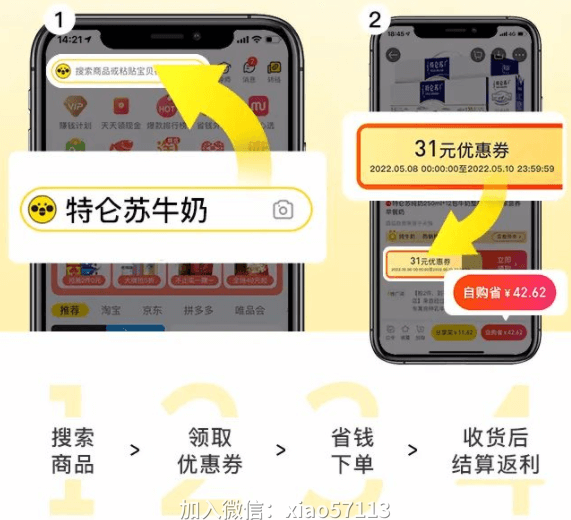
买手妈妈聚合了淘宝、京东、拼多多、抖音等主流电商的隐藏优惠券和返利。你在哪个平台采购,先通过买手妈妈搜一下商品,就能看到隐藏券和返利比例,确认收货后返利自动到账。

对奶茶店、小吃店这类小微商家来说,这意味着:

  • 原料采购返利:奶茶粉、果糖、杯子、吸管,批量采购的商品大多有返利,一单省几十,月积月累就是几百块
  • 设备耗材叠加省:封口机、制冰机、打包袋这些一次性投入较大的设备,返利比例往往更高
  • 不改变采购习惯:不需要额外囤货,只是在现有下单流程前多一步搜索,操作成本几乎为零

一位做餐饮外卖的朋友用了三个月,光在拼多多采购打包盒和一次性餐具就返了四百多块。他说:”早知道开店第一年就用上了。”

买手妈妈邀请码完整注册使用教程

买手妈妈邀请码第一步:下载注册

手机应用商店搜索”买手妈妈“并下载安装。打开后点击注册,填写手机号获取验证码。在邀请码一栏输入邀请码 7625568,这样才能正常使用全部返利功能。

买手妈妈邀请码第二步:搜索商品查看返利

注册完成后,首页有各大电商入口。点进拼多多或淘宝,搜索你要采购的商品,每个商品会显示”预估佣金”和”优惠券金额”,一目了然。

买手妈妈邀请码第三步:下单拿返利

点击”去购买”或复制商品链接,按正常流程下单。确认收货后,返利会在订单完成的次日进入账户余额。

买手妈妈使用流程

买手妈妈邀请码避坑指南:佣金别漏了

很多用户反馈佣金拿不到,大多是这几个原因:

  • 红包冲突:淘宝超级红包等会导致订单不计佣,大额订单建议直接走返利链路,不用红包
  • 链接被覆盖:复制商品链接后直接下单,中间不要打开其他商品,否则追踪可能失效
  • 拼多多比价脱佣:拼多多有24小时比价机制,下单价比搜索时低可能触发脱佣
  • 跨月确认收货:月底下单次月收货,订单可能计入下个结算周期,提现延后一个月

想了解更多实操经验,可以加入宝妈交流群,群里每天分享最新爆款清单和优惠信息,大家互相提醒避坑。

买手妈妈邀请码自用省钱分享赚钱

除了自己采购省钱,买手妈妈的分享模式也适合小商家——把你采购的好用商品分享给同行或顾客,别人下单后你也能拿到佣金,等于把采购经验变成额外收入。当然,平台的核心始终是”自用省钱”,不管是开店还是家庭日用,省下的每一分都是真实的净利润。

买手妈妈邀请码7625568:从下一单开始省钱

不管是奶茶店原料采购还是家庭日用囤货,用买手妈妈都能在日常消费中多拿一份返利。应用商店搜索”买手妈妈“即可下载,注册时填写邀请码,立即开启省钱模式。也别忘了分享给开店的朋友,一起把每一分钱花得更值。

买手妈妈邀请码7625568|团队导师制与爆款清单获取方式 Read More »

蜜源App搜索不到商品返佣怎么办,999333用户说别放弃先复制链接

蜜源搜不到的商品别急着放弃,999333用户说复制链接试试

用蜜源这么久,我遇到过一件挺让人抓狂的事:明明在淘宝上看好了一件商品,打开蜜源搜一下,结果页面空白,什么优惠券也没有,预估返利直接是零。这种情况我一开始以为是蜜源覆盖不全,后来才知道,不是所有商品都会自动匹配到蜜源的推广库里。商家如果没设置推广链接,蜜源确实搜不出来。

但这不代表你就只能干巴巴地原价买了。有个很简单的操作,很多人不知道——直接复制淘宝或京东的商品链接,粘贴到蜜源里让它去匹配。我踩了几次坑才摸索明白这个方法,今天写出来,省得大家再走弯路。

什么情况下商品搜不到

先说说为什么蜜源有时候搜不到你想买的商品。根据我这两年观察下来,大概有这么几种情况:

商家的推广渠道被关掉了,这种情况多出现在品牌官方旗舰店,很多大牌嫌设置推广佣金会影响价格管控,干脆不开推广链接。还有就是商品刚上架,推广链接还没来得及配置。某些冷门品类、小众店铺,商家本身就没做过推广投放。还有一种情况是商家只在特定时间段开放推广,过了那个时段就搜不到了。

遇到这些情况别急着关掉蜜源直接去下单,试试下面这个方法。

复制链接匹配返利的具体操作

这个方法的原理其实很简单:你不是在蜜源里搜商品,而是直接把淘宝或者京东的商品链接复制到蜜源里,让系统去匹配有没有对应的推广渠道。操作步骤如下:

打开淘宝或者京东,找到你想买的那个商品,点分享,选择”复制链接”。切回到蜜源,蜜源首页顶部有个搜索框,点进去之后会自动弹出”粘贴”按钮——系统检测到你复制了淘宝或京东链接,会直接进入匹配流程。

如果匹配成功,页面会显示这张商品的优惠券信息和预估返利金额,你点”领券购买”就能正常走返佣流程了。如果还是匹配不到,说明这个商品确实没有推广渠道,那就只能放弃返利直接买了。

蜜源App搜索和复制链接操作界面

复制链接比直接搜索覆盖面更广

这个方法是我用蜜源半年以后才发现的。之前我一直在蜜源里搜商品名称,经常遇到搜不到的情况,搞得我以为蜜源能匹配的商品很有限。后来有一次在一个用户群里看到有人提到复制链接的方法,试了一下才发现,很多搜不到的商品用链接匹配反而能出来返利。

我后来做过一个简单的对比,同一批30件商品,直接在蜜源里搜关键词能匹配到22件,但用复制链接的方式能匹配到27件。多出来的那5件,基本就是商家没设关键词推广但开了通用推广链接的情况。

所以现在我的习惯是:先复制商品链接到蜜源试试,匹配到了就走返佣流程;匹配不到再搜一次商品名称确认;两次都匹配不到才放弃。这个顺序比反过来效率高不少。

复制链接也不是万能的

话说回来,这个方法不是万能的。有些商品就是没有推广渠道,复制链接也匹配不出来,这种情况你只能接受没有返利。我遇到过几种常见场景:

品牌官方旗舰店的爆款,像小米手机、苹果配件这类,官方基本不开推广。虚拟商品,比如话费充值、视频会员、游戏点卡,这些本来就没有推广佣金。拼多多上部分低价商品,佣金太低了商家不愿意设推广。预售商品,还没正式发售的可能也匹配不到。

遇到这些情况别纠结,没有返利就不走返佣链接,直接在原平台正常买就行。强行通过蜜源跳转反而可能影响售后体验。

注册时邀请码别填错

说到蜜源使用体验,有个细节想提醒刚注册的朋友:蜜源是邀请制App,注册的时候必须要填邀请码才能用。邀请码填了之后就不能改,填错了只能找客服注销账号换手机号重新注册,挺折腾的。

我当时注册的时候填的是999333,注册完直接就是VIP等级,自购能拿100%佣金。如果你注册的时候没填邀请码,可能只是会员等级,自购是没有佣金的,只能领券。所以注册之前一定确认邀请码没有填错,检查一下数字有没有输错,有没有多余的空格。

蜜源注册填写邀请码界面

对了,注册后记得去绑定淘宝和京东的账号,在”我的-账户设置-第三方授权”里面操作。绑定之后购物返佣的追踪才更稳定,不然蜜源没法自动识别你的订单。

日常使用中的几个小经验

除了上面说的复制链接匹配方法,我用蜜源这段时间还总结了几条挺实用的小经验:

大额商品下单前一定先复制链接查一下返利,家电数码类的返利通常不少,几百块的东西返个二三十块很正常。凑满减的时候要注意,满减之后实付金额降低了,返利也会跟着缩水,下单前在蜜源里算清楚再决定怎么凑单。平台发的几毛钱红包别用在走蜜源渠道的商品上,用了红包系统可能不算推广单,佣金直接归零。

下单之后大概半小时去蜜源订单页确认一下有没有正常显示,尤其是拼多多的订单,追踪不太稳定,出了问题及时截图找客服处理。如果等到几天后才发现没追踪到,处理起来就麻烦很多了。

这些东西说起来都是些零碎的操作习惯,但坚持下来确实能帮你多拿到不少返利。一年算下来,光是复制链接多匹配到的那几笔返利,加起来也有好几十块。用蜜源这种工具,省的就是这些不起眼的小钱。

蜜源App搜索不到商品返佣怎么办,999333用户说别放弃先复制链接 Read More »

蜜源怎么注册?邀请码999333填写教程来了

蜜源邀请码999333:AI比价时代的返利新逻辑

如果你关注过网购省钱圈子,应该能感受到一个明显变化——前几年满屏的”自用省钱、分享赚钱”朋友圈海报越来越少见了。曾几何时,返利平台的核心竞争力是”人”,谁的代理多、谁的群多,谁就能吃下最多的交易佣金。但这种靠堆人头拉群的打法,正在被技术力量重新洗牌。

蜜源为代表的头部导购平台率先感受到了这股压力。当行业内开始出现以”智能比价引擎”为卖点的新玩家,传统社交裂变模式的短板就暴露出来了:优惠信息能否精准推给需要的人?比价效率能否跟上用户预期?这些问题,正在倒逼整个行业完成从”人带货”到”AI比价”的技术迭代。

本文以此为切入点,梳理这一轮技术升级中,普通用户如何更好地利用购物助手来省钱。

从社交裂变到AI比价:蜜源邀请码用户的真实体验

返利导购行业经历过野蛮生长的阶段。早期平台的核心逻辑很简单:发展下线、裂变拉新、靠人头抽成。代理们每天在朋友圈和微信群刷屏发商品链接,佣金层层分润。但这个模式的瓶颈同样明显——随着平台合规门槛提高、用户对朋友圈广告免疫力的增强,传统”人海战术”的转化率大幅下降。

更关键的是,用户要的不是”谁发了链接”,而是”能不能帮我快速找到最划算的那张券”。这种需求转变,让技术派玩家有了弯道超车的机会。以智能比价引擎为代表的新一批返利产品开始出现,它们能根据用户的历史浏览和购买行为自动匹配最佳优惠组合,甚至做到在下单前实时提醒”还有更便宜的渠道”。

面对这种趋势,老牌平台也在加速转型。蜜源近几年持续迭代版本,从单纯淘宝返利扩展为覆盖京东、拼多多、美团、饿了么、滴滴、携程等十几个生活场景的超级入口;推荐算法也从粗放式”全品类刷屏”转向场景化标签推荐。举例来说,在搜索栏输入”婴儿湿巾”,系统会同时推荐母婴类目的叠加优惠券和凑单方案,而不是简单返回一个商品列表。

两种路径的核心差异体现在用户触达方式上。传统模式下,平台依赖代理在微信群和朋友圈铺量,用户被动接收信息;而AI驱动的平台则通过用户行为画像主动推送高匹配度优惠。蜜源在版本迭代中明显向后者倾斜——其”智能推荐”模块会根据你的历史下单品类优先展示相关优惠。这种从”人找券”到”券找人”的转变,本质上是用数据能力替代了过去的人海战术。

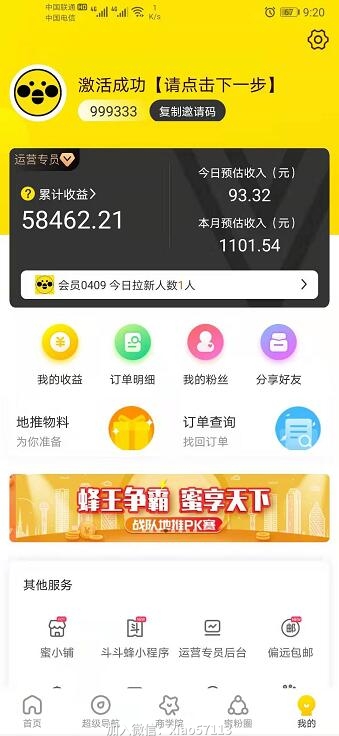
蜜源APP界面截图

蜜源邀请码注册使用详解:三步拿返利

技术迭代带来的体验升级,落到普通用户身上,就是更低的试错成本。下面以一个新用户的视角,走一遍完整流程。

第一步:在应用商店下载安装。打开手机应用商店,搜索”蜜源”,认准官方应用下载即可。安装完成后打开APP,首页布局清晰,顶部是搜索栏,下方是按品类聚合的优惠分区和限时活动入口,方便直接浏览。

第二步:注册并填写邀请码。点击底部”我的”进入个人中心,点击注册并按提示完成手机号验证。在填写邀请码的步骤,输入邀请码 999333,即可完成账号绑定。这一步决定了后续的返利归属,建议认真填写。

第三步:领券购物,坐等返利到账。注册完成后,你可以在搜索栏直接搜索想买的商品,或在”今日爆款””限时秒杀”等板块浏览优惠信息。选中商品后点击”领券购买”,页面会自动跳转到淘宝、京东等平台完成正常下单流程。确认收货后,返利金额会自动结算进入你的蜜源账户余额,支持支付宝和微信提现。

首次使用建议花几分钟熟悉一下首页的各个功能模块。除了搜索栏,还有”9.9包邮””大牌折扣”等分类入口,不同消费偏好的人可以从不同入口切入。熟悉基本布局后,日常购物时顺手点进去搜一下同款,往往能发现额外优惠。

使用过程中如果遇到选品困难,建议加入蜜源省钱/赚钱交流群,群友每天会分享高佣商品和跨平台比价攻略,比自己逐个翻找高效很多。对于返利金额不符或提现延迟等问题,APP内的帮助中心也有标准处理流程可查。

蜜源省钱交流群

写在最后:蜜源邀请码让省钱更简单

从朋友圈人海战术到AI智能推荐,返利导购行业正在经历深层次的技术洗牌。对普通用户来说,这反而是好事——你不再需要依赖某个代理的”朋友圈刷屏”来获取优惠信息,平台本身的算法就能帮你做出更聪明的消费决策。这就是”自购省、分享赚”在新阶段的价值体现:购物省下的每一分钱,都由技术而非人情来保障。

蜜源邀请码999333的绑定用户还能享受团队专属活动与额外佣金权益。如果你还没有体验过这类购物助手,不妨现在就去应用商店搜索蜜源下载注册,开始你的省钱之旅。也欢迎邀请身边的朋友一起加入,让每一次购物都更值得。

蜜源怎么注册?邀请码999333填写教程来了 Read More »

为什么你的广告点击多转化少?落地页问题排查清单

广告投了钱进来了人,落地页没接住——这个问题比你想的普遍

最近帮几个商家看投放数据,发现一个规律:点击率不差的广告,转化率普遍很低。一个做家政服务的老板,抖音本地推花了六千多块,点击了两千多次,最终只拿到了8个有效电话。他问我投放是不是有问题,我看了他后台的数据,再点进去看他落地页,问题根本不在投放上。

落地页打开要6秒,上面放了一堆公司介绍和大段文字,联系方式藏在页面最底部,手机上还显示错位。说实话,这种落地页即使再多的流量进来也是浪费。今天把自己踩过的坑和帮商家优化落地页的经验整理一下,希望能帮到正在投广告的朋友。

落地页不是官网首页,很多老板搞混了

这是我见过最常见的问题。老板觉得落地页就是官网,就把公司介绍、团队照片、发展历程全塞进去。但落地页和官网的使命完全不一样——官网是让人了解你,落地页是让人立刻行动。

落地页只需要解决一个问题:用户从广告点进来以后,能不能在三秒内知道你能帮他什么,并且愿意留下联系方式或者直接下单。如果前三秒做不到这一点,后面写得再好也没人看。

页面打开速度直接决定了一半的生死

我做过一个简单的对比测试,同一个广告素材,落地页打开时间从5秒优化到2秒以内,跳出率从72%降到了41%,留资数量直接翻了一倍。2026年的用户耐心已经到极限了,接近70%的人看到页面加载超过3秒就会直接关掉。

怎么优化速度:图片压缩到200KB以内,尽量别放视频自动播放,去掉不必要的动画效果,用CDN加速。这些都是基础操作,但很多商家落地页连这些都没做。

表单设计是转化率的命门

落地页的表单怎么放、放什么字段,直接影响用户愿不愿意填。我见过最夸张的落地页,让用户填姓名、电话、公司名称、预算范围、需求描述、预计合作时间——六个字段。

你站在用户角度想想,第一次接触你的品牌,凭什么填这么多东西?我一般建议只保留两个字段:称呼和电话(或者微信)。如果业务需要更多信息,等销售回访的时候再问也不迟。

还有一个细节:表单按钮的文字别写”提交”,换成”获取报价””免费咨询””马上预约”这类有明确价值感的文案,转化率能提升15%到20%。

广告内容和落地页要前后一致

广告写的是”家政保洁低至99元”,点进去落地页第一条是”我们是一家专业家政公司,成立于2015年”。用户会觉得被骗了,直接关掉。

广告说了什么,落地页第一屏就要兑现什么。广告强调价格,落地页就先放价格;广告主打服务内容,落地页就先展示服务详情。前后一致,用户才有继续往下看的动力。

CTA按钮别太多,一个就够了

有些落地页恨不得每段文字后面都塞一个按钮,”立即咨询””了解更多””查看案例””拨打电话”——按钮多了等于没有按钮,用户反而不知道该点哪个。

一屏一个核心CTA,文案明确告诉用户点完会发生什么。比如”留下电话,半小时内回电”就比”联系我们”强得多。

小预算怎么做AB测试

AB测试不是大品牌的专利,小预算商家也能做。最简单的办法就是同一套广告素材,配两个不同的落地页,其他条件完全一样,跑3到5天看数据。对比跳出率、停留时间、留资数量这三个指标就行。

测试的时候一次只改一个变量,比如这次只测标题文案,下次只测按钮颜色,下下次只测表单字段数量。一次改太多变量,你根本不知道是哪个因素导致了变化。

我做投放这些年,见过太多商家把预算全砸在广告上,落地页随便搞一下就上线了。但说实话,广告只是把人拉到门口,落地页才是真正决定成交的环节。落地页没做好,投再多的广告都是在往漏水的桶里倒水。

如果你也在投广告但转化一直上不去,可以加我微信 xiao57113 聊聊,帮你看看落地页哪里有问题,我给点具体建议。

为什么你的广告点击多转化少?落地页问题排查清单 Read More »

从0到1搭建小红书聚光投放体系:一个投手的实战复盘

当用户搜产品不带品牌名,你的广告到底在跟谁抢流量?

一个残酷的现实:近两年,超过96%的用户在搜索产品时不会输入品牌名称。他们搜”显白的口红”而非品牌名,搜”适合干皮的粉底液”而非某品牌粉底液。传统广告的逻辑是抢占品牌词——等你搜我、你来找我。但今天,消费者在做决定前的3秒钟就已经完成了信息筛选,如果你不在那3秒内出现,你连被比较的资格都没有。

这种”意图粉尘化”正在重塑广告投放的底层逻辑。用户的需求从清晰的”我要买A品牌”变成了模糊的”我想解决某个问题”。谁能在这个模糊信号刚出现的瞬间就截获意图,谁就能在决策前占据先机。

聚光投放的本质:截获决策前的3秒钟

小红书的聚光平台在近两年快速崛起,核心在于它匹配了”意图截获”的最佳场景。用户打开小红书,天然带着”想看看””参考一下”的心态。他们搜索”通勤穿搭””油皮防晒””客厅改造”,每一个搜索背后都是一个尚未固化的购买决策。

传统搜索广告争夺的是”确定的需求”,而聚光投放争夺的是”不确定的需求”——用户还在探索,你的笔记、视觉、场景标签,决定了ta最终会不会搜你的品牌名。品牌广告占比回升至53%,不是大家回归传统,而是大家发现,只有先建立信任,后续转化才有效率。

视觉资产是聚光的第一道门槛

聚光投放的第一道关卡不是出价,而是封面图。建议按”场景标签法”组织素材——每一张封面图对应一个具体的搜索场景。比如卖防晒霜,不要只做一张”防晒霜推荐”,而是拆分出”军训防晒””通勤防晒””海边度假防晒””敏感肌防晒”,分别匹配不同意图颗粒度的用户。素材的CTR差距往往在封面阶段就已经决定了。

广告主面临的三个核心痛点

近两年的投放环境,不管新手还是老手都有一个共同感受:钱越花越快,效果越来越难判断。

  • 泛流量内卷。当上百个广告主同时抢同一批人群,CPM持续攀升。聚光的优势在于搜索场域——用户主动搜过来的流量,转化效率是被动刷到流量的数倍。搭建账户时,搜索广告的优先级一定要高于信息流广告。
  • 前后链路割裂。很多广告主在聚光端点击成本控制得很好,一到站外转化就断崖下跌。问题往往不在投放本身,而是落地页、商品页、客服承接没有形成连贯体验。用户在小红书被种草,跳转到微信私域后如果页面跟笔记内容无关,信任感会瞬间归零。建议先搭好承接体系再放大预算,否则每一点流量都是浪费。
  • 团队专业能力不足。聚光后台看起来比巨量简单,但对策略能力的要求反而更高。没有行业对标数据、不知道合理出价区间、不会分析搜索词报告——这些问题靠烧钱是烧不出经验的。

聚光账户搭建三步框架

第一步:计划结构决定流量质量

标准聚光账户结构是”搜索计划+信息流计划”双线并行。搜索计划按关键词意图分组——品类词一组、场景词一组、竞品词一组;信息流计划按人群包和素材类型分组。每个计划预算独立,便于后续做数据归因。

第二步:素材策略匹配搜索意图

素材是聚光投放的核心变量。同样出价、同样定向,不同素材的点击率可能差3-5倍。建议每周更新2-3条素材,每条素材上线前问自己:用户搜什么词时会看到这条笔记?如果答案不够清晰,这条素材大概率跑不起来。

第三步:数据复盘驱动持续优化

利用聚光后台的搜索词报告、人群画像、时段分析等维度,每周固定时间做复盘。筛出”高点击低转化”和”低点击高转化”的词,分别做优化动作。前者问题大概率在落地页或承接环节,后者说明需求精准但展示不够,需要优化封面或标题来争取更多曝光。

别把巨量经验直接套用过来

很多从巨量转过来的广告主,习惯性把抖音方法论套用到聚光上,结果水土不服。两个平台的用户心智完全不同:抖音用户在”杀时间”,小红书用户在”找答案”。同一个素材在抖音跑得很好,放到聚光上可能连起量都困难。

聚光更注重内容的”可信度”。抖音适合强转化的硬广口吻,聚光更适合真实体验分享式的软性种草。但巨量的用户触达能力依然重要。对于预算充足的品牌,”小红书种草 + 巨量追投”的组合仍是主流配置。聚光负责建立信任,巨量负责放大触达,两个平台协同配合,而非相互替代。

破局点:把战场前移到决策前3秒

回到最初的问题:当96%的人搜产品不带品牌名,你到底在跟谁抢流量?答案是跟所有出现在用户模糊需求场景中的内容抢流量。你的笔记能不能在用户搜”夏季通勤穿搭”时排进前十条?封面能不能在信息流中多留0.5秒?人群定向能不能在用户还没确定品牌名时就提前触达?

同样值得关注的是微信搜一搜的流量在近两年增长明显,用户在微信内搜攻略、搜推荐、搜品牌的习惯正在养成。如果品牌在小红书种草,同步布局微信搜索的占位,两条线同时拦截用户决策前的需求信号,效果会更稳定。

这些问题的答案,不是在后台调高出价就能解决的,而是需要一套从账户搭建到素材策略再到数据复盘的完整思路。如果你目前的投放遇到瓶颈,不确定问题出在哪个环节,我可以帮你做一次免费的投放诊断,帮你找到当前账户最值得优化的那个杠杆点。

添加微信xiao57113,备注”聚光诊断”,我会尽快跟你沟通。

从0到1搭建小红书聚光投放体系:一个投手的实战复盘 Read More »

16 Personalities and the Introvert-Extrovert Spectrum Explained

Most people grow up believing there are two kinds of humans: introverts and extroverts. The quiet ones who need alone time to recharge, and the outgoing ones who draw energy from crowds. The label follows you through school, work, and relationships — often becoming a shorthand for who you are. But personality psychology has spent decades studying this dimension, and the research paints a picture far more nuanced than the binary we have been taught.

The extraversion-introversion spectrum is one of the most robust findings in personality science. It appears in the Big Five model, the 16 Personalities framework, and virtually every major personality assessment system. Yet the way we talk about it in everyday life rarely matches what the data actually shows. Let us unpack what the science says about introversion, extraversion, and the vast middle ground most people occupy.

What the Big Five Actually Measures When It Comes to Extraversion

The Big Five personality model — the most scientifically validated framework in personality psychology — does not treat extraversion as a simple on-off switch. Instead, it breaks the trait into six distinct facets: warmth, gregariousness, assertiveness, activity level, excitement-seeking, and positive emotionality. Someone can score high on warmth and low on excitement-seeking, for example, and still land somewhere in the middle of the overall extraversion scale.

This matters because it explains why the “introvert” label can feel so incomplete. A person who enjoys deep one-on-one conversations (high warmth) but avoids large parties (low gregariousness) is not a contradiction — they are simply expressing different facets of the same trait. The Big Five captures this granularity, which is why researchers prefer it over binary classifications.

Research consistently finds that extraversion scores follow a normal distribution across the population. Most people cluster near the middle, with fewer at the extremes. This alone should make us reconsider how casually we assign the “introvert” or “extrovert” label to ourselves and others.

The Biology of Introversion and Extraversion

One of the more compelling lines of research into extraversion comes from neuroscience. Hans Eysenck, a prominent personality psychologist, proposed in the 1960s that introverts and extroverts differ in baseline cortical arousal. Extroverts, he argued, have lower resting arousal levels and therefore seek external stimulation to reach an optimal state. Introverts, with higher baseline arousal, find external stimulation overwhelming more quickly.

Modern research has refined this picture considerably. Studies using fMRI and EEG have found that extraversion correlates with differences in dopamine sensitivity and reward-processing circuits in the brain. Extroverts tend to show stronger neural responses to anticipated rewards — social or otherwise — which may explain their greater enthusiasm for social engagement. Introverts, by contrast, show more activation in regions associated with internal processing and reflection.

This is not about one brain being better than the other. It is about different baseline settings that influence what kind of environments feel energizing versus draining. The key insight from the neuroscience is that these differences are real, measurable, and rooted in biology — not just personality quirks or social habits.

Why Ambiverts Are the Overlooked Majority

If extraversion follows a bell curve, then the largest group by far is ambiverts — people who fall in the middle range and display a flexible mix of introverted and extroverted tendencies. Organizational psychologist Adam Grant has written extensively about ambiverts in the workplace, finding that they often outperform both extremes in sales roles because they know when to talk and when to listen.

The ambivert concept is not a new personality type. It is simply a recognition that the introvert-extrovert spectrum is continuous, not categorical. Most people do not wake up every day feeling the same level of social energy. Context matters: the same person might feel extroverted at a small dinner with close friends and deeply introverted at a crowded networking event.

This flexibility is worth paying attention to. Rather than asking “Am I an introvert or an extrovert?”, a more useful question might be: “Under what conditions do I feel most energized, and under what conditions do I feel drained?” That shift in framing moves the conversation from identity to self-awareness, which is ultimately what personality psychology is designed to support.

Introverts, Extroverts, and the Modern Workplace

The workplace has historically been designed for extroverts. Open-plan offices, brainstorming sessions, and networking-heavy career advancement all reward the kind of social assertiveness that comes more naturally to people on the extroverted side of the spectrum. Susan Cain’s work on the power of introverts brought this imbalance into mainstream awareness, but the structural problem persists in many organizations.

Research on team performance suggests that the most effective teams are not uniformly extroverted or introverted — they are cognitively diverse. Introverts tend to contribute more thoughtful, well-developed ideas in written form or smaller settings. Extroverts excel at rallying energy around a shared goal and keeping momentum high. Ambiverts bridge the gap, adapting their communication style to the needs of the moment.

For managers, the takeaway is straightforward: create environments that allow both styles to contribute. Asynchronous communication channels, structured turn-taking in meetings, and a mix of collaborative and solo work formats all help. Personality is not something to fix — it is something to design around.

If you are curious about where you fall on the extraversion spectrum, tools like personalitree.com offer free Big Five and 16-type assessments that map your personality traits across multiple dimensions, including the full extraversion scale with its sub-facets.

Relationships and the Introvert-Extrovert Dynamic

One of the most common sources of friction in romantic relationships and friendships is mismatched social energy. An extroverted partner may interpret a quiet evening at home as boredom or disengagement. An introverted partner may feel overwhelmed by a calendar packed with social obligations. Neither person is wrong — they are simply operating from different baseline needs.

Research on relationship satisfaction and personality suggests that similarity in extraversion is not necessarily a predictor of happiness. What matters more is how couples negotiate differences in social needs. Couples who explicitly discuss their preferences — how much social time each person needs, what kind of socializing feels restorative versus draining — report higher satisfaction regardless of their personality type match.

The same principle applies to friendships. Understanding that a friend who declines invitations is not rejecting you personally but managing their energy can transform the relationship. These conversations are not about labeling anyone. They are about building a shared vocabulary for needs that are real but often invisible.

Moving Beyond the Labels

The introvert-extrovert conversation has come a long way from the stereotypes that dominated popular culture a decade ago. But the labels still carry weight. Calling yourself an introvert can become a self-limiting belief — a reason to avoid situations that feel uncomfortable, even when those situations might bring growth or connection. Calling yourself an extrovert can create pressure to always be “on,” even when you need rest.

Personality psychology offers something more useful than a category: it offers a map. The Big Five extraversion scale shows you where you stand relative to the general population. The 16 Personalities framework adds nuance by showing how your extraversion interacts with other traits like thinking versus feeling or judging versus perceiving. Websites like personalitree.com make these assessments accessible to anyone, providing a starting point for deeper self-understanding rather than a final verdict on who you are.

The goal is not to find the right box to put yourself in. It is to understand your own patterns well enough to make better decisions — about your career, your relationships, and how you spend your energy. Personality traits are real, they are measurable, and they shape our lives in meaningful ways. But they are also more flexible and more complex than the simple binary we often reach for.

16 Personalities and the Introvert-Extrovert Spectrum Explained Read More »