侠侣知识

蜜源邀请码999333用户实测:双11用银行立减,返利归零了吗

用信用卡、云闪付付款时,蜜源返利还在吗?2026年我用邀请码999333摸清了支付优惠和返利的账

到了2026年,很多人网购既习惯用信用卡攒积分、用云闪付领立减、用花呗分期,又不想错过蜜源返利。最常问的一个问题是:我换一种支付方式,蜜源返利会不会就没了?答案先说清楚:绝大多数情况下,你选什么支付方式,不影响蜜源返利——因为返利是按”订单实付金额”算的,而信用卡积分、银行立减这类优惠多半发生在支付通道,并不改变电商订单里记录的实付金额。真正会动到返利的,是那些直接冲抵订单金额的红包类优惠。

先搞懂:蜜源返利到底按什么算

蜜源返利的核心公式很简单:返利 = 订单实付金额 × 商家设置的佣金比例。专业名词先说清:实付金额,就是你最终为这笔订单实际支付的钱,也就是扣掉店铺券、隐藏券之后、电商订单上记录的那个数。

只要这个”实付金额”没变,返利基数就不变。所以问题的关键,从来不是”你用哪张卡付钱”,而是”这笔优惠有没有改变订单实付金额”。

返利跟着订单实付金额走,不跟着支付方式走。

银行立减、信用卡积分:多半不影响返利

招商银行满减、云闪付随机立减、信用卡积分抵扣这类优惠,本质是支付通道或银行侧的补贴,钱是从你的银行卡或支付账户里减掉的,电商订单记录的实付金额依然是原价减店铺券后的数额。因此蜜源返利照常按订单实付算,不受支付方式影响。

也就是说,你可以一边拿信用卡积分、银行立减,一边正常拿蜜源返利,两者不冲突。我自己长期在用的邀请码999333,在电商返利场景里返利比例按平台实时显示,不会因为选了某张银行卡就变少。

从银行卡侧扣减的优惠,不进订单实付,返利照拿。

蜜源支付与返利说明

但有一类优惠会拉低返利:直接冲抵订单金额的红包

花呗立减券、平台或商家发的支付红包这类,是直接把金额冲抵到订单里的,会实实在在地降低订单实付金额。实付金额小了,返利基数就小,返利自然跟着变少——这不是返利”被吃掉”,而是基数同比例变小。

冲抵订单金额的红包会降返利基数;从银行卡扣的优惠不会。

所以判断一笔优惠会不会影响返利,就看它落在这个链条的哪一端:从银行卡或支付账户扣的,不影响;直接减在订单上的,影响。

一个容易踩的坑:先去银行App领券再跳,可能丢返利

有些银行 App 的”领支付券—跳转电商支付”流程,会脱离蜜源建立的追踪链路,导致这笔订单在蜜源里识别不到。专业名词:追踪链路——你从蜜源入口点进电商、完成下单,蜜源才能把这个订单和你的返利绑定;中途切到别的入口完成支付,链路就断了。

顺序错了可能丢单,比少拿点返利更亏。

正确顺序是:先在蜜源里领券、查好返利,从蜜源入口进电商正常下单,到最后一步选支付方式时,信用卡、云闪付、花呗随便用。别反过来先去银行 App 领了支付券再跳进来。

别为银行的小额立减,放弃蜜源返利

常看到有人为了银行那二三十元的支付立减,放弃了走蜜源。从经验看,蜜源返利常见在几个百分点到十几个百分点之间(具体看商品,以平台实时显示为准),一笔几百上千的订单,返利往往比银行小额立减更可观。小额零碎消费另说,大件上为了几块钱立减绕开蜜源,通常是亏的。

支付方式随便选,返利链路别断,才是两全的省法。

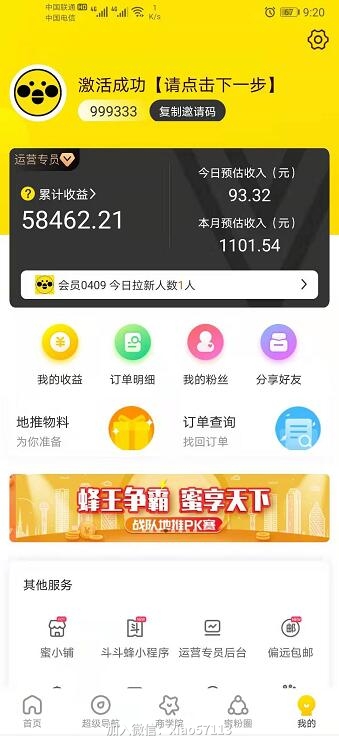
蜜源我的页面

常见问题 FAQ

蜜源邀请码999333有什么用?

999333是我自己长期在用的推广码。注册蜜源时填它,不影响你看到的返利比例(返利按平台实时显示),只是把账号归到我这个渠道,后续有活动我能提醒你报名。填不填都能用蜜源,但填了能多一层活动信息同步。

我已经在别的邀请码下注册了,能换成999333吗?

换不了。蜜源注册后邀请码和渠道归属就锁定了,没法再更换或迁移。唯一的办法是用另一个手机号重新注册一个新账号,注册时再填999333。

用花呗分期付款,蜜源返利还有吗?

分期本身不改变订单实付金额,返利照常。只有用了花呗立减券、且那张券是直接冲抵订单金额的情况,才会拉低返利基数;单纯选”分期还款”不影响返利。

信用卡积分和蜜源返利能同时拿吗?

能同时拿。信用卡积分是银行按你消费金额累计的,不改变电商订单实付,所以蜜源返利正常计算,两者不冲突。

分享蜜源给别人,靠这个能赚多少?

分享收益方面要如实说明:收益主要靠个人真实消费和身边人推广带来的返利,不是靠不断拉新就能赚钱。把它当省钱工具最合适,别指望不费力气就能赚钱。

如何开始使用

如果你还没装蜜源,应用商店搜”蜜源”下载,手机号注册时邀请码填 999333(我自己长期在用的邀请码)就行。下次网购时,先在蜜源里搜一下商品、从入口点进电商下单,到最后一步再选你习惯的信用卡、云闪付或花呗付款——返利和支付优惠各拿各的,别为银行那点立减反过来绕开蜜源入口就好。

蜜源邀请码999333用户实测:双11用银行立减,返利归零了吗 Read More »

电商投小红书聚光没效果?多半是这3个环节断了

电商卖家怎么做小红书聚光才出单?2026年从种草到成交的实操打法

很多电商老板2026年想用小红书聚光(小红书官方的效果广告平台,花钱把笔记推给精准用户)带销量,但投了一阵发现:钱花了、笔记有了,店铺却没多几单。直接给结论:聚光对电商的价值不在”硬广直投”,而在”种草心智+搜索收割”。先用信息流把产品种草给兴趣人群,再用搜索计划接住主动来搜的人,再把店铺和商品卡顺畅承接住。下面用女装、护肤这类电商最常见的情况,把这条从0到出单的路径一次讲清。

电商卖家做小红书聚光,先想清楚它帮你干什么

聚光不是淘系直通车那种”搜了就买”的货架广告,它的核心是把产品种进用户心里,再等用户主动回搜。小红书用户决策偏理性、爱搜测评,据小红书官方2025年披露,平台月活超3亿、日均搜索约7亿次,超七成月活会主动搜索。这意味着大量购买发生在”被种草→回搜→成交”的路径上,而不是被硬广推着买。所以电商做聚光,目标应该是”占据品类心智+截住搜索流量”,而不是单纯追求点击就下单。

电商做聚光的本质,是买”被记住”和”被搜到”,不是买即时成交。

投小红书聚光之前先把”词”铺好:品类词、品牌词、场景词

搜索计划能不能接住流量,取决于你提前铺了哪些词,电商最该卡住三类词。品类词是用户按需求搜的词,比如”显瘦连衣裙””敏感肌面霜”;品牌词是你自己的店名或品名,用来防被竞品截流;场景词是带使用情境的词,比如”通勤穿搭””换季护肤”。据小红书GROW商家大会公开方法论,用户购买前平均会读4.4篇商家笔记,词铺得全,笔记才容易被搜到。别等投了才发现用户搜不到你。

词是搜索的入口,铺词不全,后面投再多也接不住主动来找的人。

小红书聚光信息流种草打认知,别把它当硬广直投

信息流计划负责把产品推给还没想买、但有潜在兴趣的人,素材越像真实买家分享,效果越好。电商最容易犯的错,是把聚光信息流当成详情页广告投,满屏卖点、价格、促销,用户划走。聚光信息流要的是”真实使用场景+真实感受”,比如一条”通勤穿了一周的西装裤真实反馈”比”爆款西装裤5折”更能种草。内容池太薄也不行——只有几篇笔记,投流转化基础弱,先把内容铺到一定量的笔记数再放量。

信息流种的是草,不是硬广;素材像真人分享,才有人愿意看、愿意信。

小红书聚光搜索计划接住主动来找的人,精搜效率约广搜4倍

当用户被种草后回小红书搜你的品类或品牌,搜索计划就是那一刻的”接客位”,必须提前占住。行业普遍反馈,精准搜索(搜品牌词、商品词)的转化效率约为宽泛搜索的4倍,不少服务商建议把30%–40%的预算投到搜索广告。电商重点卡品类词和品牌词,预算有限就先卡品牌词防截流、再扩品类词。据2026年公开整理(以平台最新公告为准),所有付费合作的笔记都需通过蒲公英报备,未报备的笔记不能投聚光,铺词和报备要先对齐。

搜索是离成交最近的一步,精搜效率远高于广搜,预算该往这偏。

小红书种草了,流量怎么落到你的店铺和商品

聚光把人引到小红书内,真正的成交往往在淘宝、京东或你的店铺,承接链路顺不顺决定钱白不白花。种草直达是小红书把种草流量对接到外部电商的玩法,如红猫(对接淘宝天猫,长效归因7–30天)、红京(京东)等。电商要提前绑定店铺、上架对应商品卡,让被种草的用户一点就能跳去购买,而不是看完笔记找不到入口。私信里也别只发广告,回答真实提问、给选购建议,反而更容易转成交。

种草在小红书,成交在店铺;承接入口不顺,前面的种草都打了水漂。

电商做聚光最常见的3个坑

多数电商聚光没效果,不是平台不行,是踩了几个重复率极高的坑。坑一:只投信息流不投搜索。种草完用户回搜搜不到你,流量被竞品接走。坑二:素材太广告感。全是卖点促销,没有真实使用感,点击和信任都低。坑三:承接断在店铺。笔记火了,商品卡没上、店铺没绑定,用户想买找不到门。对照抖音电商:巨量千川以直播间转化链路短著称,2026年双11行业披露千川大盘ROI约1.3–2.6;但小红书强在种草心智和搜索沉淀,两者逻辑不同,电商不必二选一,先把一个平台跑通再扩。

信息流+搜索+店铺承接三者缺一,聚光都难出单。

常见问题

电商一天投小红书聚光要花多少钱?

新店建议先小步测试,单计划日预算300–500元连投5–7天看模型学习,跑出基准再小步加。具体起充以平台最新公告为准,别一上来重仓,很多老板一开账户就砸大钱,模型还没学明白钱就空耗了。

女装、护肤这类电商,聚光和信息流怎么分预算?

行业普遍建议把30%–40%的预算放在搜索广告,其余给信息流种草。预算紧就先卡品牌词防截流,再慢慢扩品类词。信息流负责铺认知,搜索负责收口,两者分工明确才不打架。

小红书种草了,为什么淘宝店铺还是没单?

多半是承接断了。检查有没有绑定店铺、上架对应商品卡,以及笔记里有没有顺手的购买入口。种草在小红书,成交在店铺,中间那段必须顺,否则前面种草全白费。

抖音千川和小红书聚光,电商先投哪个?

重口碑、决策前爱搜测评的品类(护肤、女装)优先小红书聚光;强冲动、靠直播转化的品类可先看抖音千川。两个平台逻辑不同,先跑通一个再扩,别一开始就两边撒钱。

电商做聚光,素材一定要拍视频吗?

不一定。图文笔记在信息流也能跑,关键是有真实使用场景和真实感受,不像硬广。预算允许再补视频,视频在搜索和视频流场域覆盖更广,但核心还是内容像真人分享。

我是豹子,做广告代投这行这些年,电商客户见得最多的问题就是”投了聚光不出单”——多数时候不是平台问题,是种草、搜索、承接这三步断了哪一步。如果你是做女装、护肤这类电商的老板,正琢磨怎么用小红书聚光把一款产品从0做出单,有类似投放需求,可以加豹子的微信xiao57113聊聊具体情况,我帮你先把链路顺一遍。

电商投小红书聚光没效果?多半是这3个环节断了 Read More »

Neuroticism and Social Media: When Scrolling Becomes Emotional Coping

Does Your Personality Type Predict How You Use Social Media? What the Big Five Research Shows

Your personality does predict how you behave on social media, but the link is modest and correlational rather than deterministic. Across dozens of studies, the Big Five trait of extraversion is the most consistent predictor of higher social media activity, while openness to experience is linked to adopting new platforms and joining groups. Neuroticism is associated with more compulsive, emotionally driven use, and conscientiousness with lighter, more guarded participation. Agreeableness tends to show up as quieter, more prosocial behavior, with the notable exception of online trolling, which studies tie to the darker traits. None of this means your personality type locks you into a fixed pattern of posting, but it does help explain why two people can open the same app and walk away with completely different habits.

The “Big Five” refers to the five broad dimensions researchers use to describe personality: openness to experience, conscientiousness, extraversion, agreeableness, and neuroticism — often shortened to the OCEAN model or the Five Factor Model. This framework is the most widely validated way psychologists measure personality traits, and it is the lens nearly every study on social media behavior has used.

Does personality really predict how much you use social media?

Yes, but only weakly to moderately, and the direction depends on the trait. A meta-analysis by Wilson, Fornasier, and White (2010) found that extraversion and openness were the most reliable positive predictors of social networking site use, while conscientiousness leaned negative. Correa, Hinsley, and de Zúñiga (2010) reached a similar conclusion across a large user sample: extraverts and open people used social platforms more, and conscientious people used them less.

Personality explains a small slice of social media behavior — context, age, and platform design matter at least as much.

Why extraverts post more — and have more online friends

Extraversion is the single most replicated predictor of active social media use. Ryan and Xenos (2011) found that extraversion predicted the number of Facebook friends people accumulated, while Ross et al. (2009) linked it to overall Facebook use. For extraverts, the platform is simply an extension of their social life, not a replacement for it.

Extraverts treat social media as a social space, not a broadcast tool

Across both Facebook and Twitter, Hughes, Rowe, Batey, and Bell (2012) found extraversion predicted higher activity — extraverts post, comment, and connect more because online interaction satisfies the same drive that pulls them toward parties and conversations offline.

The openness link: early adopters and platform-hoppers

Openness to experience, the trait tied to curiosity and novelty-seeking, shows up as a willingness to try new platforms and join niche communities. The same Hughes et al. (2012) study found openness specifically predicted Twitter use, and Ross et al. (2009) found it predicted the number of Facebook groups people joined.

Open individuals are drawn to the variety of social media, not just the popularity of one app.

Neuroticism and the darker side of scrolling

Neuroticism — the tendency toward negative emotion and emotional instability — is associated with more emotionally driven and sometimes compulsive social media use. Ross et al. (2009) linked it to Facebook use, and Moore and McElroy (2012) found neuroticism predicted both greater Facebook use and more “Facebook regret,” the feeling of having posted something you wish you hadn’t.

Social comparison is where neuroticism bites

People higher in neuroticism are more vulnerable to social comparison and the dip in mood that can follow heavy scrolling. The behavior often functions as emotional coping — a way to self-soothe — which is exactly why it can tip into compulsive checking.

High neuroticism doesn’t cause heavy use by itself, but it raises the odds of using social media to manage difficult feelings.

Conscientious people use social media differently

Conscientiousness, the trait behind organization and self-discipline, consistently shows a small negative relationship with social media use. Conscientious users tend to spend less time, post less impulsively, and treat the platforms more purposefully — checking for a reason rather than out of habit or boredom.

Agreeableness and the trolling problem

Agreeableness — being cooperative and considerate — generally predicts quieter, kinder online behavior. But its absence is telling: low agreeableness is one of the traits linked to hostile behavior online. Buckels, Trapnell, and Paulhus (2014) found that of the so-called Dark Tetrad (narcissism, Machiavellianism, psychopathy, and everyday sadism), sadism was the strongest predictor of trolling, with low agreeableness playing a clear supporting role.

Most antisocial behavior online traces to a small set of dark traits, not to the Big Five as a whole.

Narcissism: the self-promotion engine

Narcissism deserves its own mention because it predicts a distinctive pattern. Buffardi and Campbell (2008) found that narcissism predicted more self-promoting content, more friends, and more wall posts on Facebook. The motive isn’t connection so much as admiration — the feed becomes a stage rather than a conversation.

How much does personality really explain?

Not as much as people assume. The effect sizes in this literature are small to moderate, and the relationships are correlational: we cannot tell whether personality drives social media use or whether heavy use gradually shapes personality. Age, culture, platform design, and life circumstances all explain substantial variance on their own.

Think of personality as a tilt, not a rule — it raises the probability of a behavior, it doesn’t guarantee one.

What this means for you

Knowing your pattern is useful mainly as self-awareness. If you are high in neuroticism, noticing that you reach for your phone when anxious is the first step to breaking the loop. If you are low in conscientiousness, setting intentional limits works better than relying on willpower. If you want a structured way to see your own profile, tools like personalitree.com offer free Big Five and 16-type assessments that take about ten minutes and frame the results in plain language.

The 16 personality types from the Myers-Briggs framework add another layer: an extroverted feeling type and an introverted intuitive type will almost certainly use the same app for different reasons. Whatever your type, the goal isn’t to fight your wiring but to notice it. If you haven’t mapped your own profile yet, personalitree.com is one accessible option that covers both the Big Five and the 16 personality types in a single sitting, which makes it easier to spot the habits above in yourself.

Frequently Asked Questions

Can your personality type change how addictive social media feels?

Indirectly, yes. Traits like neuroticism and low conscientiousness are associated with more compulsive, emotion-driven use, which can feel harder to step away from. But problematic use is influenced by many factors beyond personality, including platform design and personal circumstances, so your type is only one piece of the picture.

Are introverts less active on social media than extraverts?

On average, yes — extraversion is the most consistent predictor of higher social media activity and larger online friend networks. But introverts still use social platforms heavily; they often prefer reading and one-on-one messaging over public posting, which is a different style rather than less engagement.

Which personality trait best predicts problematic social media use?

Neuroticism is the trait most often linked to compulsive and emotionally driven use, including the regret that follows impulsive posts. Low conscientiousness and low agreeableness also appear in research on problematic and hostile online behavior, but neuroticism is the strongest and most repeated signal.

Do the 16 personality types differ in how they use social media?

The Myers-Briggs types aren’t measured in most social media studies, but they map loosely onto the Big Five. An extraverted feeling type will likely use social media for connection and expression, while an introverted thinking type may use it for information and niche communities. The underlying personality dimensions tell the more evidence-based story.

Is there a “social media personality” that predicts everything?

No. Researchers have not found a single profile that determines online behavior. The links between personality and social media are real but small, and they interact with age, culture, and the specific platform. Personality tilts your habits; it doesn’t decide them.

Neuroticism and Social Media: When Scrolling Becomes Emotional Coping Read More »

邀请码7625568用户2026双11:买手妈妈返利防漏的4个动作

买手妈妈2026双11返利避坑清单:邀请码7625568用户下单前中后都查什么

买手妈妈2026双11返利避坑清单:邀请码7625568用户下单前中后都查什么

双11前后是买手妈妈这类返利App最容易”有惊喜也有惊吓”的时段:一边是大促高返利看着诱人,一边是订单记不上、返利算错、为返利买贵的情况也最多。我用自己的邀请码7625568用了挺长时间,最大的体会是——大促拿返利,稳比高重要。这篇不堆术语,直接给你一张”下单前 / 下单中 / 下单后”三阶段避坑清单,照着逐项确认,基本能把该拿的返利拿到手。

下单前:先确认3件事

很多人双11返利没拿稳,问题其实出在下单之前。

第一,先在App里搜一下商品,看有没有”预估返利”。显示为”暂无返利”的,多半是虚拟类目或商家没开推广计划,硬买也不会有返利,不如直接去原店买。

第二,确认入口走对了:从买手妈妈搜到商品后,点”去购买”在跳转后的页面下单。这一步建立的追踪链(下面会解释)是返利归属到你的关键,直接打开电商平台搜同款下单,返利通常记不到你名下。

第三,别被高返利带偏。有些陌生品牌把返利标得很高,其实是先提价再返,到手未必便宜,反而容易反向种草买不需要的东西。

小结:下单前先查返利资格、走对入口、别为高返利改变购买决策。

下单中:让追踪链别断

追踪链,简单说就是返利平台在你点”去购买”时写进订单的追踪标识(类似Cookie),靠它把这笔订单算到你的账号名下;它断了,返利就找不到主。

大促期间最容易出现”下了单却没返利”,根子多在追踪链被打断。直播间、限时秒杀、点出去领券再跳回这类操作,最容易切断追踪。能做的:尽量在买手妈妈App内完成”搜 → 去购买 → 下单”整条路径,中途别切到别的App或清缓存;直播间想拿返利,先确认是从返利入口进的,而不是主播自己的链接。

买手妈妈双11返利避坑示意图

小结:整条下单路径尽量在App内走完,别中途跳转或清缓存,追踪链才稳。

收货后:核对与两个坑

下单不是结束。2026年双11订单集中,收货前后有两件事建议查一下。

看”待结算“状态。返利一般分两个阶段:订单完成后先进入”待结算”,等确认收货并度过约15天售后维权期,才转成”已结算”(这两个状态都按实付金额——你真正付出去的钱——来算)。大促订单多,过几天回App核对一下有没有都记上。

避开退货退款坑。只要发生了退货退款,对应那笔返利会跟着取消——整单退就整笔作废,部分退按剩余实付重新算。买之前想清楚是不是真要,比事后补救省心。

小结:收货后回App核对待结算,退货退款会同步取消对应返利。

双11返利和满减、券怎么叠加

这是问得最多的问题。返利按”实付金额”算,也就是你真正付出去的钱。跨店满减、平台红包会压低实付,所以返利基数也跟着变小,但你的总支出同样更省了——别误以为满减”吃掉”了返利。据电商联盟公开规则,归因只看实付与跟踪标识,付款方式、满减形式都不参与返利计算。

买手妈妈返利与满减叠加说明

小结:返利按实付金额计算,满减红包压低基数也压低总价,整体还是更省。

怎么开始用

如果你还没用过,可以下载买手妈妈,注册时填我自己长期在用的邀请码 7625568。这个码注册后绑定渠道和上级团队,是固定的、平台规则不支持变更或调整;选码这件事建议在第一次注册时就想清楚。

顺带说句实话:分享带来的收益来自商家推广佣金,不是拉人头的钱,实际到手多少取决于你自己的消费和推广能力,不是拉几个人就能赚钱。把它当成省钱的长期习惯,比盯着”赚”更稳。

常见问题

买手妈妈邀请码7625568有什么用?
注册时填它,你的账号就归属到对应渠道。它本身不会让返利凭空变高,更多是账号归属和长期服务的问题;我长期用这个码,主要是图稳定和有人答疑。

我之前用别的邀请码注册过了,还能用7625568吗?
不行。买手妈妈注册后,邀请码、渠道、上级团队都是固定的,平台规则不支持变更或调整。已经注册过的账号没法改归属,只能下次用新手机号新注册时再选合适的码。

双11的返利一般多久到账?
返利不是下单当天就到。按联盟公开规则,要等确认收货并度过约15天售后维权期,从”待结算”转为”已结算”,之后在每月25日提现上月已结算部分,到账1–3个工作日(支付宝或银行卡)。

为什么双11有些商品显示没有返利?
常见原因有几类:虚拟类目(话费、点卡等)多数无返利;商家没开推广计划或临时调低佣金;还有部分旗舰店、品牌直降商品不参与。下单前在App里先搜一下就能看到。

返利和满减、店铺券能一起用吗?
能叠加。返利按你的实付金额算,满减和券降低的是你实际付的钱,两者不冲突;只是返利基数会随实付下降,但总支出更省。别为了凑高返利去买不需要的东西就行。

邀请码7625568用户2026双11:买手妈妈返利防漏的4个动作 Read More »

蜜源邀请码999333实测:同一个外卖平台,为什么有的订单有返利有的没有

外卖打车话费能不能用蜜源返利?2026年我用邀请码999333摸清了返利范围

到了2026年,越来越多人开始用蜜源这类返利 App,很多人装了之后,第一反应是想把日常所有开销都拿去返利,包括每天点的外卖、打车、充话费。但这里有个必须先说清的事实:蜜源里的返利,来自商家在电商联盟里设置的推广佣金,覆盖的主要是淘宝、京东、拼多多、唯品会这些主流电商平台上的可推广商品。外卖、打车、话费充值这类本地生活消费,绝大多数不在电商联盟的商品库里,所以在蜜源里基本搜不到返利。判断某笔消费能不能返利,最靠谱的办法只有一个——打开蜜源搜一下。

蜜源返利到底覆盖什么:是”电商可推广商品”,不是”所有花钱的地方”

蜜源的返利范围,取决于它对接的电商联盟里有哪些商品带了推广佣金,而不是用户花在哪儿都返。蜜源本身不生产返利,它只是把电商联盟(比如淘宝联盟、京东联盟、拼多多推广)里商家设置的推广佣金,返还一部分给通过它下单的用户。

返利是”电商联盟佣金的一部分”,不在联盟里的消费,蜜源给不出返利。

专业名词先说清:推广佣金——商家为了获得更多销量,在电商联盟里为商品设置的、用来激励推广者的一笔费用;我们在蜜源里看到的返利,就是这笔佣金按约定比例返还给用户的部分。只要是在这些联盟里、且商家开了推广佣金的商品,从蜜源入口下单才有返利;联盟里没有、或商家没开佣金的,自然就没有。

为什么外卖、打车、话费大多没有返利

外卖、打车、话费这类本地生活消费,多数不在主流电商联盟的商品推广库里,所以蜜源搜不到它们的返利入口。你每天用的外卖 App、打车 App,本质上是本地生活服务平台,它们的商品和服务(一份餐、一趟车、一笔话费)没有挂到淘宝、京东、拼多多的推广联盟里,也就没有可分配的佣金。

本地生活消费没有推广佣金这条链,是搜不到返利的根本原因,不是操作问题。

这不是蜜源”不支持”,而是链条从源头就接不上——没有佣金,自然无从返还。我的推广码999333覆盖的也是电商返利这一块,本地生活这种没有佣金来源的场景,谁都给不出返利。

蜜源返利范围说明

一个通用判断方法:在蜜源里搜一下,看有没有”返利标识”

判断某样东西能不能返利,不用猜,打开蜜源搜它的名字或粘贴链接,看结果里有没有返利标识就行。专业名词:返利标识——蜜源商品详情页或搜索结果上显示的”返利X%”或”返利¥X”标记,代表从当前入口下单能拿到这笔返利。

能搜到带这个标识的商品或链接,说明它在返利范围内,从蜜源入口点进去下单就有返利;搜出来只有商品、没有返利标识,或者根本搜不到,就说明暂时不在返利范围内。

搜得到返利标识=能返利,搜不到=别绕路,这是唯一的判断标准。

会不会有例外?部分本地生活也可能出现在蜜源里

少数情况下,某些平台把本地生活板块也接进了推广体系,蜜源里偶尔能搜到相关返利,但一律以 App 实际显示为准。返利平台的合作范围会随联盟调整,个别本地生活权益(比如某些电商卡券、话费充值活动)可能在某段时间出现在蜜源里。

偶发例外存在,但”以 App 实时显示为准”这条永远不过时。

这是变动信息,我没法保证你看到这篇时它还有效。一切以你打开蜜源那一刻搜到的返利标识为准,别凭记忆或别人的截图去等一个可能已经下架的返利。我自己长期在用的邀请码999333,在电商返利场景里最稳,本地生活这块同样以 App 实时结果为准。

别为没有返利的消费硬绕路,反而可能更麻烦

把明明没有返利的消费硬往蜜源里塞,不但省不到,还可能绕远路、甚至买贵。有些人为了”走返利”,会先把外卖链接、打车订单想办法往蜜源里搬,结果要么搜不到入口白忙活,要么为了凑一个不存在的返利,放弃了原本更直接、更便宜的下单方式。

返利是省钱放大器,不是回本工具——能返利的电商消费认真用,没有返利的日常开销照常买,账才清楚。

我的习惯:把日常开销分成两类

我长期用下来,养成了”能返利的走蜜源、不能返利的照常买”这个简单分法,反而最省心。网购家电、日用品、服饰、零食这些,我固定在蜜源搜一遍再下单;外卖、打车、充话费这些,我直接用原 App,不折腾。

这样既不错过电商里实打实的返利,也不在没返利的地方浪费时间。我自己长期在用的邀请码999333,在这些有返利的电商场景里用最划算——它不额外加价,返利比例也按平台实时显示来,不用信”最高返利保证”那类话。

“分类对待”比”什么都想返利”更实际。

蜜源我的页面

常见问题 FAQ

蜜源邀请码999333有什么用?

999333是我自己长期在用的推广码。注册蜜源时填它,不影响你看到的返利比例(返利按平台实时显示),只是把账号归到我这个渠道,后续有活动我能提醒你报名。填不填都能用蜜源,但填了能多一层活动信息同步。

我已经在别的邀请码下注册了,能换成999333吗?

换不了。蜜源注册后邀请码和渠道归属就锁定了,没法再更换或迁移。唯一的办法是用另一个手机号重新注册一个新账号,注册时再填999333。

外卖、打车在蜜源里搜不到返利,是操作错了吗?

不是操作问题。这两类本地生活消费大多不在电商联盟的推广库里,从源头就没有可分配的佣金,所以搜不到返利入口。直接用原 App 下单就行,不必绕路。

话费充值在蜜源有没有返利?

绝大多数情况下没有,因为它同样属于本地生活类、不在主流电商推广联盟里。偶发活动另说,判断方法还是那句:打开蜜源搜一下,看有没有返利标识,有的就能用,没有就别等。

那蜜源主要适合哪些消费返利?

主要是淘宝、京东、拼多多、唯品会等电商平台上的可推广商品——家电、日用品、服饰、零食、美妆这些。把这类电商消费固定从蜜源入口走,省下的返利积少成多才明显。分享收益方面要说明:收益主要靠个人真实消费和身边人推广,不是靠不断拉新就能赚钱,当省钱工具更合适。

如何开始使用

如果你还没装蜜源,应用商店搜”蜜源”下载,手机号注册时邀请码填 999333(我自己长期在用的邀请码)就行。先从你下次网购家电、日用品这类电商订单试起,搜一下、从入口点进去下单,留意详情页的返利标识——能看见返利,这笔消费就算走通了。外卖、打车这类暂时没有返利的,照常买就好,别为它折腾。

蜜源邀请码999333实测:同一个外卖平台,为什么有的订单有返利有的没有 Read More »

Big Five Personality Traits and Conflict Management Styles, Explained

Does Your Personality Type Predict How You Handle Conflict? What the Big Five Research Shows

Disagreements are unavoidable, but the way people respond to them is anything but random. Some dive straight into the argument, others change the subject, and a few quietly give in just to keep the peace. Research suggests these reactions are not random at all — they track with personality. Your Big Five profile predicts your default conflict style: the pattern you fall back on when tensions rise, before you’ve had time to think it through. That doesn’t mean your temperament seals your fate in every argument. It means you have a recognizable starting point, and knowing it is the first step toward choosing a more useful response.

What “Conflict Style” Actually Means

A conflict style is the habitual way you try to manage a disagreement — how much you push for your own goals versus how much you protect the relationship. The most widely used map is the Thomas-Kilmann model, built by Kenneth Thomas and Ralph Kilmann in the 1970s, which sorts behaviour into five modes. Competing means asserting your position at the other person’s expense. Collaborating works to satisfy both sides. Compromising splits the difference. Avoiding steps back from the issue. Accommodating gives way to preserve harmony. When researchers study personality and conflict, they usually measure these same five modes under slightly different names (the Rahim inventory calls them dominating, integrating, compromising, avoiding, and obliging).

The Big Five, also called the Five Factor Model or the OCEAN model, is the most validated framework for describing personality itself. Instead of slotting you into a type, it scores you on five broad personality dimensions: Openness to Experience, Conscientiousness, Extraversion, Agreeableness, and Neuroticism. If you want a plain-language read on where you land on each, assessments such as those at personalitree.com cover both the Big Five and the 16 personality types. The question researchers then ask is simple: do these five dimensions predict which of the five conflict modes someone reaches for?

Agreeableness — The Harmony-Seeker’s Default

Of all five traits, agreeableness is the most consistent predictor of conflict behaviour, and the direction is clear. People high in agreeableness — those who value cooperation, trust, and getting along — tend to default to accommodating and, to a lesser extent, avoiding. A 2020 meta-analysis by Tehrani and Yamini, pooling 20 studies with 5,337 participants and published in Personality and Individual Differences, confirmed what an earlier landmark study first reported: agreeableness links robustly with both obliging and avoiding styles. The original work, Antonioni’s 1998 study in the International Journal of Conflict Management (351 students plus 110 managers), found the same pattern and also showed agreeableness was negatively associated with the dominating style. In short, agreeable people are wired to keep the peace — sometimes by conceding, sometimes by steering clear of the fight entirely. Earlier work by Graziano, Jensen-Campbell, and Hair (1996, Journal of Personality and Social Psychology) points to the mechanism: highly agreeable individuals find conflict genuinely aversive and work to defuse it.

Extraversion — Assertive, For Better or Worse

Extraversion tells a different story: it is the trait most associated with assertiveness in conflict. Antonioni’s 1998 data showed extraversion was positively linked to both the integrating style (working through the problem together) and the dominating style (pushing to win). Extraverts are more likely than others to engage the disagreement head-on — which can mean either collaborative problem-solving or a contest of wills, depending on the situation. That dual link makes sense: extraverts are comfortable in the spotlight and quick to act, so they rarely let a conflict sit untouched. The risk is that high extraversion without much agreeableness can tip toward competing; paired with conscientiousness, it more often shows up as genuine collaboration.

Conscientiousness and Openness — The Collaborators

Two traits point toward the most constructive mode. Antonioni found conscientiousness and openness were both positively associated with the integrating style and negatively associated with avoiding. People who are organized, dutiful, and thorough (conscientiousness) and those who are curious and open-minded (openness) are more inclined to sit down and work the problem through rather than dodge it. Conscientiousness and openness are the traits that pull you toward collaborating instead of withdrawing — they supply the patience and the curiosity a real solution requires. This is one reason collaborative conflict resolution is teachable: even if your profile doesn’t naturally favor it, the underlying skills map onto abilities you can build.

Neuroticism — Conflict as Threat

Neuroticism, the tendency toward negative emotion and stress reactivity, shows a distinct pattern: it is positively linked to avoiding conflict and negatively linked to dominating. In Antonioni’s sample, higher neuroticism tracked with stepping back from disagreements rather than pressing forward. When conflict feels threatening, higher neuroticism tends to push people toward avoidance — not because the issue is resolved, but because the emotional cost of engaging feels too high. Avoidance can be a reasonable short-term tactic, but as a default it often leaves the underlying problem intact, which can quietly erode a relationship over time.

Do the 16 Personality Types Map Onto Conflict Styles?

It’s tempting to ask whether a specific Myers-Briggs Type Indicator result — say, an ENFP or an ISTJ — predicts a fixed conflict style. The honest answer is that research has not mapped the 16 personality types onto conflict modes the way the Big Five has. The five-factor model is what the conflict literature actually measures, so any claim that “INTJs always compete” or “INFPs always avoid” goes beyond the evidence. What you can say is that the underlying Big Five dimensions behind each type lean it in a direction — a type high in agreeableness-related warmth will tend toward accommodation, while one high in assertive extraversion will tend toward engagement — but the type label itself is a rough guide, not a rule. For self-reflection, a Big Five read is the more direct lens.

Can You Change Your Default Conflict Style?

Here is the reassuring part: a default is not a destiny. The studies above describe correlations, not cages. Situation, power dynamics, and your relationship with the other person all shift which mode you use, and deliberate practice shifts it further. The first move is simply noticing your reflex — do you concede to keep things calm, or charge in to win? Once you see the pattern, you can pause and choose. Someone who avoids can practice naming the issue early; someone who competes can practice asking what the other person needs. Pairing that self-awareness with a bit of emotional intelligence — naming your own reaction before you act on it — turns temperament into a tool you steer. Websites like personalitree.com translate your trait profile into readable guidance, which helps turn “that’s just how I am” into habits you can actually work with. Self-awareness is what converts a personality tendency into a choice you control.

Frequently Asked Questions

Which personality trait most predicts how someone handles conflict?

Agreeableness is the most consistent predictor. Studies, including a 2020 meta-analysis of 20 studies, link it reliably to accommodating and avoiding styles, while showing the opposite link with dominating. Extraversion is the next strongest, tied to more assertive modes.

Are introverts or extraverts better at resolving arguments?

Neither is inherently better; they differ in reflex. Extraverts engage conflict more directly, which can mean faster resolution or more friction. Introverts, who are lower in extraversion, may process privately and prefer to address issues one-on-one. Effectiveness depends more on the chosen style than on the trait itself.

Can knowing my personality type help me argue less?

It can help you understand your reflex so you can interrupt it. If you know you tend to avoid, you can commit to raising issues sooner; if you tend to compete, you can practice pausing. The value is self-awareness, not an excuse for the behaviour.

Is there a “best” conflict style to have?

No single style wins in every situation. Collaborating works best for important, ongoing relationships; compromising is efficient under time pressure; even avoiding has its place. Research shows the most effective people flex between modes rather than relying on one default.

Does my personality type decide whether I win negotiations?

Not decisively. Traits like extraversion and conscientiousness tilt you toward certain tactics, but negotiation outcome depends heavily on preparation, information, and the other party. Personality is a starting tendency, not a guarantee of results.

Big Five Personality Traits and Conflict Management Styles, Explained Read More »

学生党用买手妈妈会不会影响优惠券满减?7625568用户2026实测

学生党用买手妈妈怎么省钱?邀请码7625568用户2026年实操指南

学生党用买手妈妈省钱,靠的是自购时顺手查一下返利,而不是靠拉人。教材、宿舍日用品、零食、数码这些本来就要买的东西,先在App里查返利再跳转下单,每月能省下一笔不大的零花钱——具体多少看消费习惯,多半在几十元到一百多元的区间,别指望靠它cover生活费。下面把学生党最常遇到的几类消费场景拆开说。

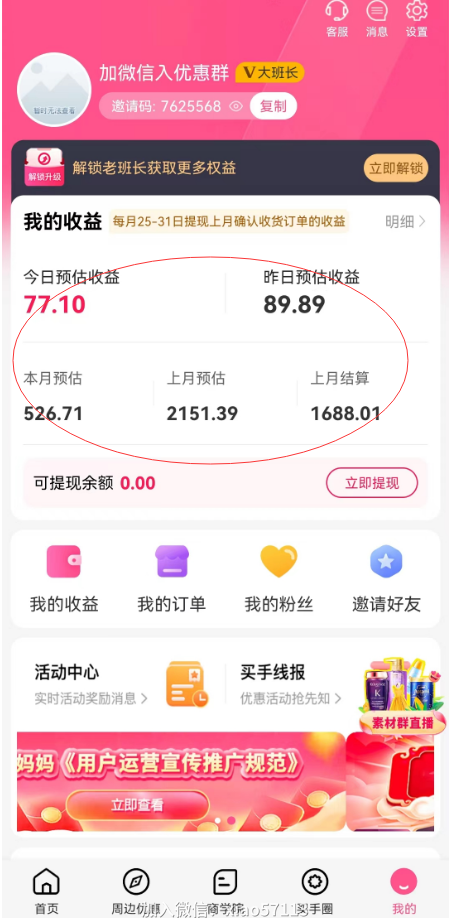
买手妈妈相关图片

学生党为什么适合用这类导购返利平台

买手妈妈本质上是一个导购返利平台:它把淘宝、京东、拼多多这些电商的推广商品汇总起来,你通过它跳转去下单,商家付给平台的推广联盟佣金里分一部分返给你。对学生党来说,它最大的价值不是”赚钱”,而是把原本就有的网购开销,顺手多拿回一点现金。只要不改变你的购买决策,只是换个入口下单,就没有额外成本。

小结:学生党用买手妈妈的核心姿势是”自购查返利”,不是拉人,没改变购买习惯就不亏。

教材和参考书,返利怎么查最稳

每学期开学前后是买教材的高峰。在买手妈妈里搜书名或ISBN,能看到这本书当前的返利比例;如果显示”暂无返利”,说明这个商家或版本没有参与推广计划,那就直接去官方旗舰店买更安心,别为了那点返利绕路。需要提醒一点:正版教材很多由出版社自营或书店旗舰店发货,这部分常常返利很低甚至没有,属于正常情况。

想让返利记牢,关键是走对追踪链——也就是从买手妈妈App内点开商品、再跳到电商下单这一整条路径。如果中途复制到浏览器、或者先加购物车隔天才付,订单就可能记不到你名下。

小结:教材先查返利再下单,显示暂无返利就别强求,正版书低返利是常态。

宿舍日用品和零食,是返利的高频战场

纸巾、洗衣液、洗发水、零食这些消耗品,单价不高但买得勤,是学生党返利积累最快的一类。它们大多属于日用百货类目,返利比例相对透明,下单前在App里看一眼预估返利就行。一个实用习惯:把常买的几样加进收藏,大促前统一比价,比每次临时搜更省心。

小结:高频低价的日用品零食,靠”积少成多”攒返利,适合用收藏夹统一管理。

买手妈妈相关图片

2026年双11,学生买数码和护肤品怎么算返利

临近双11,不少同学会趁优惠换手机、买平板或囤护肤品。这类商品单价高,返利绝对值也相对可观,但要注意:返利是按实付金额算的,也就是你真正付出去的钱。如果用了跨店满减、平台券把价格压下来,返利基数也会跟着变小——但你整体花得更少,省的钱还是落袋的。

另外,部分品牌旗舰店和自营数码的返利比例偏低,下单前一定在App里确认预估返利,别凭感觉以为有高额返利。

小结:双11数码护肤按实付算返利,满减压低价格也压低返利基数,但总支出更省。

一个诚实的提醒:返利是省出来的,不是”赚”出来的

有些人听说返利就想着靠分享链接”赚一笔”,这里得说清楚:通过买手妈妈分享商品产生的收益,来源是商家的推广佣金,不是拉下线的钱。收益的多少,取决于你自己的真实消费和推广能力,并不是拉几个人头就能稳定有收入。对学生党而言,把它当成”网购顺手回血”的工具更现实,别为了返利去买不需要的东西,那样反而多花。

小结:分享收益看个人消费和推广能力,不是拉人头就有钱,别为返利乱买。

怎么开始用

先说清楚,我写这些是作为我自己长期在用的邀请码7625568的使用者,分享真实经验,不是第三方测评。新同学注册买手妈妈时,在邀请码一栏填7625568就行,填好之后这个归属就固定了,后面不支持调整或变更。先用自购查返利跑通一单,熟悉了再决定要不要试分享,节奏自己把握。

常见问题

买手妈妈邀请码7625568对学生党有什么用?

它只是你注册时绑定的一个归属码,不影响你自购查返利的功能。填了之后你查到的返利比例和别人一样,区别主要在后续如果做分享,收益归属到你这个渠道。把它理解为”开户时填的一个编号”就好。

我已经在别的邀请码下面注册了怎么办?

买手妈妈注册时填的邀请码、所属渠道和上级团队,注册之后就是固定的,平台规则不支持调整或变更,也不存在平移机制。所以已经注册的同学没办法改,下次如果用新手机号注册新账号,再选合适的邀请码就好。

学生党每月大概能省多少?

这个真没有标准答案,完全看你怎么用、买多少。只自购日用品和教材的同学,一个月多半在几十元的区间;如果大促期间买了数码这类高单价商品,单月会多一些。把它当零花钱回血,预期放平比较舒服。

返利多久能提现?

返利要等订单确认收货、度过售后维权期并结算之后,才能提现。提现时间是每月25日,可以提上月已结算的部分,渠道是支付宝或银行卡,到账一般1到3个工作日。别信”随时秒到”的说法,规则就是按月来。

用买手妈妈会影响我原本的优惠券和满减吗?

不会。返利是从商家推广佣金里分出来的,和你领的店铺券、跨店满减是两套系统,可以叠加享受。只是要记得从App内跳转下单,保持追踪链完整,返利才记得到。

学生党用买手妈妈会不会影响优惠券满减?7625568用户2026实测 Read More »

蜜源邀请码999333用户实测:三类会员折扣容易踩坑

2026年蜜源邀请码999333:店铺会员价和返利能不能同时享受

直接说结论:淘宝、京东商品页上常见的”店铺会员价””品牌会员折扣”,绝大多数情况和蜜源返利能同时享受,不用二选一。会真正把返利吃掉的,是电商平台的红包(比如淘宝签到红包、京享红包),不是店铺给的会员价。判断方法也很简单——在蜜源里打开那件商品,只要详情页还显示返利标识,就说明这笔单返利和会员价能叠加。下面把原理和几个容易踩坑的点讲清楚。

先弄清”店铺会员价”到底是什么

“店铺会员价”是商家在自己的店铺里给老顾客设置的专属折扣,常见形式有店铺会员专享价、店铺粉丝券、品牌会员日折扣。到了 2026 年,电商的会员体系越来越细,这种会员价出现的频率也更高。它和”返利”是两件独立的事:前者是商家让利、直接体现在你付的钱变少;后者是商家把一部分推广佣金通过蜜源返给你。所以同一次下单,会员价帮你少付,返利再退你一笔,方向一致、互不冲突。

返利按”实付金额”算,会员价压低的是基数不是比例

实付金额指你实际付给电商的钱,是扣除所有店铺券、会员价之后的净额;蜜源返利就是按这个数字乘以商家设定的佣金比例来算的。会员价把实付金额压低了,返利金额看起来会跟着变小,但返利比例没变——你只是因为付得更少,所以返的那笔也按比例变少,属于正常现象,不是返利被”扣”了。

小结:会员价让实付变少,返利数字跟着按比例变小,但返利比例本身不变,别误以为返利被吞了。

蜜源相关图片

真正会吃掉返利的,是平台红包不是会员价

这里要分清两种优惠。平台红包是电商官方发的补贴(淘宝签到红包、京东 PLUS 红包这类),它和返利基本互斥,用了返利大概率归零;而店铺会员价、店铺粉丝券属于商家自己的预算,通常能和返利叠加。据蜜源邀请码999333频道公开的用户说明,判断就一句话:看优惠是谁出的——商家出的能叠,平台出的要慎点。

小结:商家出的会员价能叠返利,平台出的红包会吃掉返利,区分就看”优惠是谁发的”。

怎么判断一笔订单能不能同时拿会员价和返利

最可靠的判断方式,是在蜜源里搜到那件商品、打开详情页看返利标识还在不在。只要蜜源详情页明确显示了返利比例或返利金额,基本就能放心叠加会员价下单。如果详情页返利显示为空、或提示”该商品暂无返利”,那多半是带平台红包或属于无佣金品类(比如部分百亿补贴、虚拟商品),这时候就别硬绕了,直接电商下单更省心。

推荐下单顺序:先查蜜源返利,再领店铺券,最后从蜜源入口跳电商

顺序很关键。正确做法是:先在蜜源里确认这件商品有返利 → 顺手领好店铺会员券或会员价 → 通过蜜源的跳转入口进入电商完成下单付款。不要在电商 App 里直接领了平台红包再回来,那样追踪链路容易断,返利可能识别不到。店铺会员券一般在商品页或店铺首页领取,不影响蜜源的下单链路。

三类容易踩坑的情况

第一种是”所谓会员券其实是平台红包”,商品页标注”会员专享”但背后是平台补贴,这种蜜源详情页返利通常就消失了,认标识最稳。第二种是定金预售和尾款,预售以蜜源能不能搜到返利为准,尾款要从蜜源入口重新走一次。第三种是直播间、短视频里的专属价,主播链接脱离了蜜源的追踪链路,返利基本拿不到,别被”专属价”带偏。

蜜源相关图片

顺带说下我自己在用的邀请码 999333

注册蜜源时邀请码是必填项,留空提交不了,注册完渠道归属就锁定没法再改。我这几年一直用我自己长期在用的邀请码 999333,它不会凭空抬高你的返利比例,但渠道会有人提醒超级补贴、千万补贴这类活动什么时候开,新手不容易错过。提醒一句,999333 是作者本人自用的推广码,靠分享能拿到的那点收益主要看你身边人真实的消费,不是拉人头就能赚钱,把它当省钱工具更合适。

常见问题 FAQ

蜜源邀请码999333有什么用?填了和没填区别在哪?

999333 是我长期在用的推广码,注册时填它,后续能进对应渠道享受活动提醒等服务。邀请码注册后锁定不能改,但填不填都不影响你正常查券、拿返利——返利比例由商家设定,哪种码都不会凭空变高。

已经在别的邀请码下注册过了,能换成 999333 吗?

换不了。蜜源注册后邀请码和渠道归属是永久锁定的,不存在”平移升级””换码升级”这类操作。唯一的办法是用另一个手机号重新注册一个新账号,注册时再填 999333。

用了店铺会员价,返利金额变少了是出问题了吗?

不是。返利按你的实付金额算,会员价压低了实付基数,返利数字跟着变小但比例没变,属于正常。重点看蜜源详情页返利标识还在不在,在就说明正常计入了。

店铺会员券和平台红包,蜜源怎么区分?

看优惠是谁出的。店铺会员券、品牌会员折扣是商家预算,通常能和返利叠加;平台红包(签到红包、PLUS 红包等)是电商官方补贴,和返利基本互斥。最稳的办法还是看蜜源详情页返利标识——显示着就能叠。

领了店铺会员价再走蜜源,返利会丢吗?

不会,只要是从蜜源入口跳转去电商、且付款时没用平台红包,返利链路就正常。顺序建议:先确认蜜源有返利 → 领店铺会员券 → 从蜜源入口下单。别在电商 App 里先领平台红包再回头,那样才容易丢。

蜜源邀请码999333用户实测:三类会员折扣容易踩坑 Read More »

Personality and Addiction: What 175 Studies Reveal About the Big Five

Is There an “Addictive Personality”? What the Big Five Research Actually Shows

Walk into almost any recovery meeting or scroll through popular psychology posts and you’ll hear the phrase “addictive personality.” It’s a comforting idea: if some people are simply wired to become dependent on substances, then addiction is easy to explain. The problem is that science doesn’t support the concept. Across dozens of large studies, researchers have never found one personality profile that reliably predicts who becomes addicted. There is no single “addictive personality” — but personality still matters a great deal, just in a more nuanced way than the myth suggests. The most consistent finding is that a cluster of Big Five traits, especially low self-discipline and high impulsiveness, raises the odds of alcohol and drug problems, while other traits act as buffers. Understanding that pattern can help you read your own tendencies more honestly.

The Short Answer: No Single Profile, but a Clear Pattern

The Big Five, also called the Five Factor Model or the OCEAN model, is the most validated framework in personality psychology. It describes personality along five broad dimensions: Openness to Experience, Conscientiousness, Extraversion, Agreeableness, and Neuroticism. Rather than sorting people into types, it places everyone on a spectrum for each trait. If you want to see where you fall on these dimensions, assessments such as those at personalitree.com cover both the Big Five and the 16 personality types in plain language. When researchers pool studies linking these dimensions to substance use, a remarkably stable picture emerges — but it is a pattern of relative risk, not a destiny.

What 80 Studies on Alcohol Found

A 2021 systematic review and meta-analysis published in Alcohol and Alcoholism pooled 80 independent samples on the relationship between the Big Five and drinking outcomes. The authors, Lui, Chmielewski, Trujillo, Morris, and Pigott, found that over and above the other traits, both conscientiousness and agreeableness were negatively linked to alcohol consumption, risky drinking, and negative drinking consequences. In plain terms: people who score higher on self-discipline and cooperation tend to drink less problematically, while those lower on these traits face higher risk. The review also pinpointed narrow facets — deliberation and dutifulness within conscientiousness, and compliance and straightforwardness within agreeableness — as the specific levers doing the work.

Extraversion told a more interesting story. It wasn’t extraversion overall that mattered, but one facet: excitement seeking. People higher in the thrill-chasing side of extraversion drank more, even if they didn’t necessarily develop more problems. Neuroticism, meanwhile, mattered through its impulsiveness and angry-hostility facets, which tracked with the negative consequences of drinking rather than how much someone poured. This facet-level detail is why blunt statements like “extraverts drink more” or “neurotic people are addicted” miss the mark.

The Substance-Use-Disorder Profile Looks a Bit Different

Alcohol is only part of the picture. A separate meta-analysis by Kotov, Gamez, Schmidt, and Watson, published in Psychological Bulletin in 2010, combined 175 studies with 851 effect sizes covering anxiety, depressive, and substance use disorders. For substance use disorders specifically, the profile was distinct: these conditions were less driven by neuroticism than other mental health diagnoses and more elevated on disinhibition and disagreeableness, alongside the familiar low conscientiousness. This tells us that the personality signal behind addiction is less about emotional volatility and more about poor impulse control and low regard for rules and others. Openness and agreeableness, by contrast, were largely unrelated to whether someone developed a substance use disorder.

Why Conscientiousness Keeps Coming Up

If you take one trait away from this research, make it conscientiousness. An earlier meta-analysis by Malouff, Thorsteinsson, Rooke, and Schutte, published in the Journal of Drug Education in 2007, analyzed 20 studies and nearly 7,900 people and found alcohol involvement was linked to low conscientiousness, low agreeableness, and high neuroticism. The researchers noted that this combination sits at the low end of what some call a “self-control” super-factor. Conscientiousness — your capacity to plan, delay gratification, and follow through — appears to be the single most protective Big Five trait against substance problems across substances and studies. It isn’t magic; it reflects the everyday skills of noticing a craving, weighing long-term costs, and sticking to limits you set for yourself.

Personality Is a Risk Factor, Not a Verdict

It’s tempting to read this as a personality verdict, but that would be a mistake. These associations are correlations, and the effect sizes are modest. A person low in conscientiousness is at higher statistical risk, not guaranteed to develop a problem. Several reasons temper the link. First, genetics and shared family environment influence both personality and substance use, so part of the correlation may reflect common underlying biology rather than personality causing drinking. Second, substance use itself can shape personality over time, especially neuroticism and conscientiousness, meaning the arrow points both ways. Third, environment — access, pricing, trauma, social circles, stress — often matters as much as or more than temperament. Knowing your trait profile is useful self-knowledge, not a prediction of your future.

Turning Insight Into Action

So what do you actually do with this? The value isn’t in labeling yourself; it’s in designing around your tendencies. If you score low on conscientiousness or high on excitement seeking, you might benefit from concrete structures — preset drink limits, avoiding high-risk settings, or routines that don’t rely on willpower alone. If you notice that you drink to soothe anxiety, the more durable fix is addressing the underlying stress rather than the symptom. Websites like personalitree.com also translate your results into practical, readable guidance instead of a number on a screen, which helps insight lead somewhere useful. And if substance use is already causing harm, no personality profile changes the basics: reaching out to a clinician or support service is the right step regardless of your test scores.

Frequently Asked Questions

Is there really no such thing as an addictive personality?

Right — researchers have not found one specific personality type that predicts addiction. What exists instead is a set of traits, especially low conscientiousness and high impulsiveness, that raise risk on average. The “addictive personality” label oversimplifies a complex, multifactorial picture that includes genetics, environment, and access.

Which Big Five trait is most protective against substance abuse?

Conscientiousness shows up most consistently as a protective factor across alcohol and other substances. Its facets of deliberation and dutifulness — thoughtful decision-making and a sense of obligation — are specifically linked to lower use and fewer consequences in meta-analytic reviews.

Do extraverts drink more than introverts?

Not extraversion overall, but the excitement-seeking facet within it is linked to higher alcohol consumption. Social drinking contexts also draw on extraverted energy, yet extraversion does not reliably predict drinking problems the way impulsiveness and low conscientiousness do.

Can taking a personality test tell me if I’ll become addicted?

No test can predict that. A Big Five or 16-type assessment can show relative tendencies, such as lower self-control or higher sensation seeking, that are associated with elevated risk. Those are starting points for self-awareness, not diagnoses or forecasts.

Can personality change, and would that change my risk?

Personality is relatively stable but not fixed, and traits like conscientiousness can shift modestly with deliberate effort and life experience. Because lower conscientiousness tracks with higher substance risk, small increases in self-regulation skills may plausibly lower risk, though the link is correlational rather than proven causal.

Personality and Addiction: What 175 Studies Reveal About the Big Five Read More »