作者姓名:open

新手投聚光从哪种出价开始?投手建议先 oCPC

想投小红书聚光但不知道出价方式怎么选?一句话先给结论:大多数中小商家第一次投聚光,建议从 oCPC(按你想要的转化目标智能出价)起步;预算有限、只想先测试点击和笔记热度,可以用 CPC;当你明确想让系统在你给的预算内尽量拿量、又没有特别严格的成本红线时,再用 NOBID。三种方式本质区别在”你给系统多少出价主动权”——出价方式选错,不是优化的问题,是一开始方向就偏了。

聚光投放的出价方式,到底决定什么

聚光后台的出价方式,决定的是”系统按什么逻辑帮你花钱”。据小红书聚光平台官方营销简案,聚光的出价方式分为自动出价和手动出价:手动出价对应 CPC,自动出价里又分 oCPC(目标转化成本出价)和 NOBID(尽量花完预算拿量)三种(截至2026年9月,以平台最新公告为准)。简单说:CPC 是你定每次点击多少钱;oCPC 是你定一个转化目标,系统在这个目标成本附近智能调价去拿量;NOBID 是你不出具体价格,让系统在你设的日预算内尽量多跑。

出价方式决定的是流量获取的逻辑,不是单纯的”贵还是便宜”。

小红书聚光 CPC:按点击付费,适合什么阶段

CPC(Cost Per Click,按点击付费)是手动出价模式,你给每一次点击设一个出价上限,用户点进笔记才扣费。据行业公开整理,聚光 CPC 点击成本多数类目在 0.5–3 元/次区间。它适合两种场景:一是新笔记刚上线,你还不知道哪篇能跑动,先用 CPC 低成本测点击和笔记热度;二是做品牌种草、只要曝光和互动、不追求立刻留资的阶段。

但 CPC 有个明显短板:系统只对你的”点击”负责,不对”转化”负责。你出价高了,点击多但留资不一定多;出价低了,可能连展现都拿不到。

CPC 适合测素材和测笔记,不适合直接当获客主力。

聚光 oCPC:按转化目标智能出价,多数商家从这里起步

oCPC(optimized Cost Per Click,目标转化出价,在小红书也称 MCB 或目标成本出价)是你告诉系统”我想以一个大概的成本拿到某类转化”,比如私信开口、表单留资、商品访问。系统会根据历史转化数据,在接近你目标成本的位置智能出价,优先去拿更容易转化的人。据聚光平台官方 FAQ,oCPC 本质仍按点击付费,但系统会根据预估转化率动态调价。

对大多数想拿线索、拿成交的商家,oCPC 是更顺手的选择。它的好处是系统替你承担了”找对人”的活儿,你只需要把转化目标设对、把回传接稳。据行业公开整理,聚光 oCPC 私信留资类成本约 15–35 元/条(以平台实时竞价为准)。

想拿线索和成交,oCPC 比 CPC 更对路,前提是你的转化回传要接好。

聚光 NOBID:不出价交给系统,什么场景才用

NOBID 字面意思就是”不说出价”(No Bid),你只设日预算,系统在你预算范围内、按当前竞争情况尽量帮你拿量,不保证单条成本。它适合:大促冲量、新品强曝光、或者你已经不在意单条成本而想快速铺开触达的时刻。

但它不是”系统随便花”。NOBID 下系统仍然受你日预算和定向范围约束,只是把出价权完全交给算法。很多新手一上来就用 NOBID,结果成本飘得看不懂——本质是用错了场景。

NOBID 是冲量工具,不是控成本工具,新手别拿来当日常出价。

小红书聚光三种出价方式怎么选?一张决策表

把选择简化成三句话:只想测点击和热度 → CPC;想稳定拿线索和成交 → oCPC;想在特定阶段冲量、能接受成本波动 → NOBID。如果你的目标是”每天稳定来几条私信、成本别太离谱”,oCPC 基本是默认答案。CPC 和 NOBID 更多是配合 oCPC 用的补充手段,而不是主力。

聚光出价方式选错,成本为什么会崩

最常见的一种崩法:用 CPC 却指望它拿成交。系统按点击优化,自然会把流量推向”爱点但不爱买”的人,留资成本看着低、成交却没几个。另一种崩法:一上来 NOBID,预算被系统在高竞争时段快速吃掉,单条成本远高于你的承受线。还有一种是 oCPC 刚跑两天觉得贵就改回 CPC,系统刚建立的转化模型被你打断,等于重新冷启动。

成本崩往往是出价方式和目标不匹配,不是出价数字本身的问题。

新手起量建议:聚光先用 oCPC 跑出模型

我是豹子,做广告代投这行几年,帮不少商家搭过小红书聚光账户。我的习惯是:新账户先用 oCPC 起量,给系统 5–7 天建立转化模型,期间别频繁改出价和目标;等成本和量都稳了,再回头看 CPC 测素材、或在大促节点用 NOBID 冲一波。巨量(抖音)那边逻辑相近,也有类似 oCPM 的智能出价,但后台和规则不一样,不能直接套用同一套参数。

先让系统学会”你要什么人”,再谈优化,顺序别反。

聚光出价不是设完就完了

出价方式定好只是第一步。真正影响成本的,还有你的定向范围、素材质量、转化回传稳不稳。出价方式选对,等于把”花钱的逻辑”定对了;剩下的优化,是在这个正确逻辑上做加法。很多商家盯着出价数字反复调,却忽略了回传断没断、素材衰没衰退,那才是成本压不下来的真原因。

常见问题 FAQ

聚光 oCPC 跑几天成本才稳?

一般给系统 5–7 天建立转化模型,期间别频繁改出价和目标。前两天成本高一点是正常的,急着改反而打断模型、延长冷启动。

小红书聚光 CPC 和 oCPC 哪个更便宜?

不能只看单价。CPC 单次点击可能更便宜,但不保证转化;oCPC 单条点击成本可能高些,但拿到的更可能是能留资、能成交的人。算总账要看有效线索成本,不是点击单价。

NOBID 是不是系统想花多少花多少?

不是。NOBID 下你仍然要设日预算和定向范围,系统在这个框里尽量拿量,不会突破你的日预算。它不保证单条成本,所以适合能接受波动的冲量场景,不适合日常控成本。

聚光出价方式能中途换吗?

能换,但不建议频繁换。oCPC 刚建立模型就切回 CPC,等于重启冷启动,成本和量都会抖。真要换,先让当前方式跑稳一周再看。

新手第一次投聚光,直接选 oCPC 可以吗?

可以,而且多数情况推荐。oCPC 把”找对人”交给系统,你只需接好转化回传、设好目标成本。等跑出感觉了,再配合 CPC 测素材、NOBID 冲量。

出价方式看着是后台一个下拉框,选错了却会让整笔预算白烧。上面这些是我在实际代投里反复验证过的判断,不同行业、不同客单价的具体出价和目标设置会有差别。有类似投放需求,可以加豹子的微信 xiao57113 聊聊具体情况,我根据你所在的行业和预算,帮你把聚光账户从出价到回传一步步搭起来。

新手投聚光从哪种出价开始?投手建议先 oCPC Read More »

Personality Traits and Exercise: Can Knowing Your Type Help You Move More?

Your personality does shape how much you move, but the effect is modest, not destiny. Decades of research on the Big Five model — also called the Five Factor Model or the OCEAN model — show that people higher in extraversion and conscientiousness tend to be more physically active, while those higher in neuroticism tend to be slightly less so. A meta-analysis by Rhodes and Smith published in 2006 in the British Journal of Sports Medicine, covering 35 independent samples, found extraversion correlated about r = 0.23 with physical activity, conscientiousness about r = 0.20, and neuroticism about r = −0.11. Larger later reviews found the same direction with somewhat smaller numbers. The honest answer is that who you are gives you a slight nudge toward — or away from — regular exercise, but it explains only a small slice of why one person trains for marathons and another struggles to leave the couch. Environment, access, time, and habit matter far more than temperament.

What the Big Five Traits Reveal About Exercise Habits

The Big Five personality model describes five broad, relatively stable dimensions of personality: openness to experience, conscientiousness, extraversion, agreeableness, and neuroticism. Each sits on a spectrum rather than a yes-or-no switch, and together they are often called the Five Factor Model. When researchers line these dimensions up against how much people exercise, a consistent pattern emerges across dozens of studies — but the size of the link is small.

Extraversion: the “activity” facet drives the link

Extraversion — the tendency to be sociable, energetic, and drawn to stimulation — is the trait most reliably tied to more movement. The 2006 Rhodes and Smith meta-analysis reported the strongest association of any trait (r = 0.23), and later work by Wilson and Dishman in 2015 across 64 studies confirmed a positive link (roughly r = 0.11). The driver appears to be a narrow sub-trait: the “activity” facet of extraversion, a fast-paced, busy, high-energy disposition. Extraverts also tend to be more active in social and group settings, where the workout doubles as a way to be around people. Extraversion’s link to exercise is real but small, and it mostly reflects an energetic, stimulation-seeking style rather than any moral virtue.

Conscientiousness: the adherence trait

Conscientiousness covers self-discipline, organization, and the ability to plan ahead — and it is the trait that best predicts not how much you start, but how long you keep going. Rhodes and Smith found a correlation of about r = 0.20 with physical activity, and Wilson and Dishman (2015) showed conscientiousness was linked more strongly to the frequency of exercise (r = 0.21) than to total volume. In intervention studies, more conscientious participants log bigger, steadier increases in daily steps because they plan, schedule, and follow through. If any single trait governs whether a fitness plan survives past February, conscientiousness is the strongest candidate.

Neuroticism: the avoidance pattern

Neuroticism is the tendency toward anxiety, mood swings, and emotional instability, and it shows a small negative relationship with physical activity (around r = −0.11 in the 2006 review, about r = −0.07 in later meta-analyses). The mechanism is probably not that anxious people dislike movement; it is that stress and low mood make it easier to cancel a plan or avoid a crowded gym. A 2020 facet-level study of 239 older adults by Kekäläinen and colleagues found the impulsiveness facet of neuroticism linked to less light physical activity. Neuroticism does not block exercise so much as it raises the odds that life’s friction knocks you off schedule.

Openness and agreeableness: the surprising non-findings

Two of the five traits show little to no overall link to how much people exercise. Across Rhodes and Smith (2006), Wilson and Dishman (2015), and Sutin and colleagues (2016), openness and agreeableness showed only a negligible association with physical activity volume (openness occasionally surfaced a borderline positive blip, but nothing that held up as a real driver). Openness did show a borderline positive association with walking performance in the 2020 Kekäläinen study, and it may predict a willingness to try novel activities — a new sport, a dance class — but not steady adherence. The takeaway is counterintuitive: the traits we might assume matter for fitness, like curiosity or kindness, simply don’t move the exercise needle in the aggregate.

Personality Predicts Sticking With Exercise More Than Starting It

A common misconception is that your type decides whether you’re an “exerciser” at all. The data tell a subtler story. Personality correlates are strongest for consistency and adherence — showing up again and again — and weaker for whether you ever begin. Conscientious people build routines; extraverts find socially reinforcing formats; people higher in neuroticism are more vulnerable to lapsing when stressed. This matters for anyone designing a routine: the goal isn’t to fight your temperament but to work with it. The most useful personality insight isn’t “am I the athletic type,” it’s “what conditions keep me consistent.” An introvert may sustain a solitary home routine better than group classes; a conscientious planner may thrive on a scheduled program; an extravert may need a workout buddy or team sport to stay engaged.

Is It Just Biology? The Link May Run Both Ways

Personality traits are often described as fixed, but the relationship with physical activity appears to be partly bidirectional. A longitudinal study by Stephan, Sutin, and colleagues in 2014 found that being more active was associated with small decreases in neuroticism over time — regular movement seemed to gently shift personality, not just reflect it. Earlier work by de Moor and colleagues (2006) showed the personality-activity pattern holds across the adult lifespan, suggesting it isn’t a quirk of one age group. Exercise and personality aren’t a one-way street: your traits nudge your habits, and your habits can, in turn, nudge your traits. That is encouraging, because it means a sustained routine can reshape more than your fitness.

What This Means If You Want to Move More

Knowing your profile is a practical tool, not a verdict. If you score low on conscientiousness, external structure — a class you’ve paid for, a fixed calendar slot, an accountability partner — compensates for the weaker internal planning. If you’re high in extraversion, choose activities with a social pull. If neuroticism makes stress derail you, build a low-friction fallback (a ten-minute walk) for hard days so a missed workout doesn’t become a missed month. Tools like personalitree.com offer free Big Five and 16-type assessments that take about ten minutes and can help you name the patterns behind your habits. The point isn’t to label yourself as the “non-athletic type” but to design a routine your actual temperament can sustain.

Frequently Asked Questions

Can a personality test predict how much I’ll exercise?

Only weakly. Research shows extraversion and conscientiousness correlate with more physical activity and neuroticism with slightly less, but the effect sizes are small (correlations around 0.10 to 0.23). A personality test can hint at your likely sticking points, not determine your fitness future. Your environment and habits do most of the work. For a quick read on where you land on these dimensions, a free Big Five or Myers-Briggs Type Indicator assessment at personalitree.com takes only a few minutes.

Which personality type exercises the most?

No single 16-type label wins, but the underlying traits are clear: people higher in extraversion and conscientiousness tend to be more active. Among the Big Five dimensions, these two are the most consistent predictors of both participation and adherence across multiple meta-analyses.

If I’m not conscientious, can I still build a workout habit?

Yes. Conscientiousness helps with planning and follow-through, but it isn’t required. External structure — paid classes, calendar blocks, a workout partner, or app reminders — can substitute for lower internal discipline. Many people with modest conscientiousness train consistently by designing systems that don’t rely on willpower alone.

Does exercise change your personality?

Possibly, a little. A 2014 longitudinal study by Stephan, Sutin, and colleagues found that being more physically active was associated with small decreases in neuroticism over time. The shifts are gentle, not dramatic, but they suggest the personality-activity relationship runs both ways rather than being set in stone.

Are introverts doomed to be less active?

No. The research links extraversion, not introversion, to more activity — and even that link is small. Introverts often do fine with solitary or low-stimulation formats like running, home workouts, or cycling. The key is matching the activity to your preferences so consistency is sustainable, which anyone can do regardless of type.

Personality Traits and Exercise: Can Knowing Your Type Help You Move More? Read More »

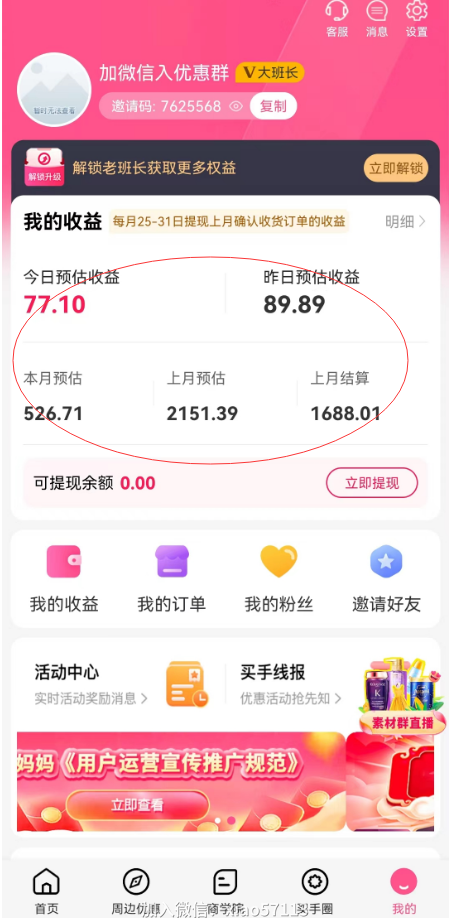
实测买手妈妈7625568:自购返利稳定,分享收益看推广能力

买手妈妈自购省钱和分享赚钱,普通人该选哪条路?邀请码7625568用户实话实说

一句话先说清楚:对绝大多数普通人,买手妈妈最有价值的部分是自购省钱——你自己网购走它的返利链接,下单就能省下一部分钱,简单直接。至于”分享赚钱”,它是可选项,不是必选项,而且收益来自真实订单的推广佣金分成,取决于你愿不愿意分享、能影响到多少人,不是拉人头就能赚钱。下面把两条路拆开讲,方便你按自己的情况选。

自购省钱到底怎么省

自购返利,指你自己通过买手妈妈去淘宝、京东等平台下单,平台把商家给的推广佣金里的一部分返给你。返利的源头是电商联盟(比如淘宝联盟)的推广佣金,买手妈妈只是把这些佣金聚合后分一部分给用户,你自购也能拿,不需要拉任何人。

实操上很简单:在买手妈妈里搜你想买的商品,或者把淘宝商品链接复制进去搜索,跳转到对应平台完成下单,返利就会跟着这笔订单走。平时买日用品、服饰、母婴用品这类高频消费,积少成多省下的就是实打实的。

小结:自购省钱靠的是自己真实消费,下单就有、不依赖别人,是普通人最稳的玩法。

分享赚钱又是什么

分享收益,指你把自己的链接或邀请码(比如我自己长期在用的邀请码7625568)分享出去,别人通过它下单后,平台把对应的推广佣金分一部分给你。它和自购的区别在于:自购靠自己消费,分享靠你帮别人也省到钱、平台再给你分佣金。

这里要诚实说一句:分享收益来自真实订单的推广佣金分成,不是拉人头、也不是交钱升级就能轻松赚到,它取决于你愿不愿意去分享、能影响到多少人、别人实际下了多少单。把它当成”顺手帮朋友省、自己拿点佣金”更现实,指望靠它一夜赚大钱不现实。

两条路的根本区别

自购和分享看着都叫”返利”,底层逻辑不一样。自购是”我花钱、我省钱”,主动权完全在自己手里;分享是”我分享、别人花钱、我分成”,主动权多了个变量——别人的下单意愿。换句话说,自购几乎零门槛,分享需要你持续去影响别人,两者不是一回事,别混为一谈。

普通人更适合哪条

我的建议很直接:先把自购用顺手。你每天都在网购,把习惯切到走返利链接,日积月累省下的就是实打实的;分享赚钱可以等自购跑通、自己真觉得好用之后,再顺手推荐给朋友。据行业公开数据,返利电商的主力价值一直落在”自用省钱”上,分享更多是顺带的附加项。

小结:普通人优先自购省钱,有余力再分享;别本末倒置,为了分享而硬推。

关于邀请码和收益,有两点要诚实说

第一,邀请码、渠道和上级团队在注册后就锁定了,注册后无法变更,所以第一次注册时选好邀请码比较重要。第二,买手妈妈的收益建立在真实消费和真实推广上,不靠拉人头、不靠交钱升级,能赚多少主要看个人消费和推广能力,不是随便拉几个人就能轻松赚到。下面用几个常见问题再补几句。

买手妈妈自购与分享示意

常见问题

买手妈妈邀请码7625568有什么用?

它就是一个注册邀请码,填了之后你和我建立邀请关系,你自购能拿返利、我也能从你后续分享的真实订单里分到一点推广佣金。它本身不改变商品价格,只是把返利关系绑定好。

我已经用别的码注册了,还能换成7625568吗?

不行。邀请码一旦注册就锁定,渠道和上级团队也都无法变更。如果这次选错了,只能下次用新手机号注册新账号时再选合适的邀请码,所以第一次注册时想清楚比较重要。

分享赚钱要交钱或者拉很多人才能开始吗?

不需要交钱,也不靠拉人头。分享收益来自别人通过你的链接真实下单的推广佣金分成,能赚多少看你的推广能力和实际带来的订单,不是交钱升级、也不是拉够人数就有收益。

自购返利多久能拿到?

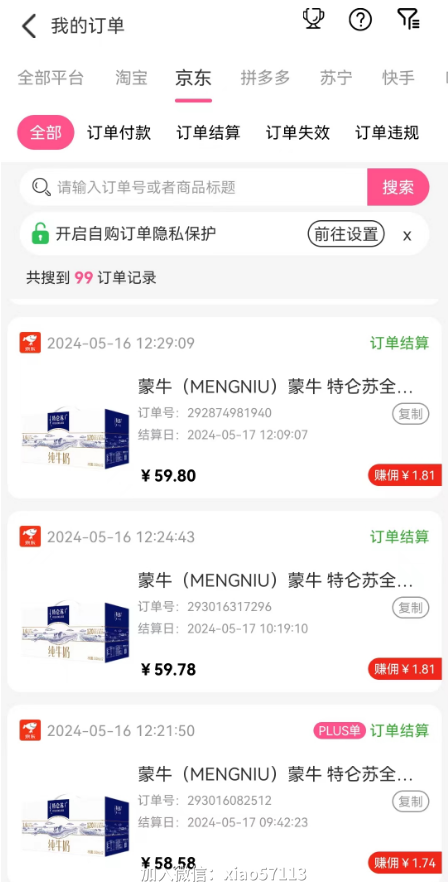
下单后先显示”预估”,等确认收货并度过售后维权期、佣金结算后变成”已结算”,之后在每月25日可以提现上月已结算的部分,到支付宝或银行卡,一般1到3个工作日到账。

买手妈妈2026年还值得普通人用吗?

如果你经常网购,把它当自购省钱工具是值得的,返利来自真实订单、规则透明;分享赚钱作为附加项可以尝试,但别抱”轻松赚大钱”的预期,把它当顺手帮朋友省、自己拿点佣金更稳。

怎么开始用

如果你还没注册,可以填我自己长期在用的邀请码7625568。注册后不用急着推广,先把平时要买的淘宝、京东订单走一遍买手妈妈的链接,感受下自购返利从”预估”到”已结算”再到提现的完整流程;等自己用顺了,再决定要不要把链接分享给朋友。它对你最有价值的部分,说到底还是”自购省下的那笔钱”。

买手妈妈返利流程示意

实测买手妈妈7625568:自购返利稳定,分享收益看推广能力 Read More »

蜜源邀请码999333长期用的真实感受:没吹最高返利,但省心

蜜源邀请码999333和一淘、返利网到底差在哪?2026年我用过的真实差别

没有哪个返利APP是”万能最好”的。我2026年前后用过一淘、返利网和蜜源三款,最后留下的是我自己长期在用的邀请码999333对应的蜜源。原因不是它返得最多(这个真不敢打包票),而是它覆盖我常买的平台够全、提现够方便、订单状态看得明白。下面把三款的真实差别摊开说,你照着自己购物习惯挑就行。

返利APP对比

先说结论:选返利APP看三件事,别只看返利比例

普通人挑返利工具,最该看的是”覆盖你常买的平台、提现方不方便、订单跟不跟得住”,返利比例反而是最该放最后的指标。

各平台、各店铺、各活动的佣金设置都不一样,网上那些”返利率85%”的榜单数字,基本是按特定商品算出来的,换个东西就不成立。真要比,不如看下面三款各自适合谁。

小结:返利比例会随商品和店铺浮动,把它当唯一标准容易被带偏;覆盖平台、提现、订单透明才是日常省不省心的关键。

一淘是什么,适合谁

一淘是阿里巴巴旗下、主要服务淘宝和天猫的返利工具,最大的特点是”返利直接变成集分宝在淘宝里用”。

集分宝是淘宝体系内的一种抵扣金(100集分宝≈1元),从一淘下单拿到的返利会以集分宝形式回到淘宝账户,买东西时直接抵扣,不用提现到银行卡。对只在淘宝天猫买东西、又特别在意资金安全的人来说,这种”自动到账、不用操作”很省心。

但它的覆盖范围主要就是淘宝天猫(2026年新增了抖音),京东、拼多多这类得换别的工具,这是它明显的边界。

小结:一淘适合”几乎只在淘宝天猫买、不想折腾提现”的淘宝党,跨平台购物就不够用。

返利网是什么,适合谁

返利网是2006年上线的老牌导购返利平台,胜在”稳”和”线下也能返”。

它对接淘宝、京东、拼多多等主流电商,部分版本还支持线下门店(比如超市、快餐)扫码返利,日常逛实体店也能积少成多。对认老牌子、怕新平台跑路的中老年用户比较友好。

缺点是提现门槛和到账节奏相对保守,确认收货后往往要等次月统一结算,着急用钱的人会觉得慢一点。

小结:返利网适合看重品牌资历、还有线下消费返利需求的人,介意提现速度的要权衡。

蜜源是什么,我为什么长期留在它

蜜源是一款覆盖多电商平台的返利导购APP,我用的是我自己长期在用的邀请码999333,它的核心模式是”在蜜源里领券、从蜜源入口跳去电商下单”。

跳转下单指的是:你在蜜源搜到商品、点”去购买”后,会跳转到淘宝、京东、拼多多等电商的官方页面完成付款,返利APP靠这次跳转记住”这单是你带来的”,结算后把佣金的一部分返给你。这里先厘清两个词:返利是商家为推广商品付给渠道的佣金里、分给用户的那部分;佣金是商家在推广后台按成交额设置的费用,比例随时可调。这个跳转链路清不清爽,直接决定返利到不到得了账。

蜜源对接的平台比较全——淘宝、天猫、京东、拼多多、唯品会、抖音等100多家,我平时淘宝买日用品、京东买家电、拼多多买零食基本一个APP就覆盖了。提现是1元起、支付宝或银行卡都能提,每月25日提上个月已结算的部分,1到3个工作日到账。

蜜源多平台覆盖

小结:蜜源适合”一个APP想覆盖多家电商、又希望提现门槛低”的人;我留它的主因是覆盖全+订单状态看得清。

返利比例为什么不能只信榜单数字

返利比例不是平台定的固定值,而是商家在推广后台按商品随时调的运营参数,所以没有”某APP永远返X%”这回事。

清库存时商家会把佣金调高,卖爆了又会调低;用了平台红包(签到红包、京享红包这类)返利基本会被吃光,用了店铺隐藏券则能叠加。同一件东西,在不同店铺、不同套餐下返利都能差出一截。这也是为什么我更看重”覆盖+透明”,而不是追单一的最高数字。以上提现与结算节奏,据蜜源邀请码999333频道公开的用户说明整理,具体以App内订单明细为准。

小结:佣金是商家可调的浮动参数,叠加红包还会变化;拿固定榜单数字比高低没有意义。

按自己的情况,三款怎么选

选哪款,先看你”主要在哪买”和”在不在意提现动作”这两件事。

  • 几乎只在淘宝天猫、讨厌提现操作 → 一淘(集分宝自动抵扣)更直接
  • 认老牌子、还有线下门店消费 → 返利网的稳和线下返利更对路
  • 淘宝京东拼多多抖音都买、想一个APP搞定、希望低门槛提现 → 蜜源更合适
  • 三款不冲突,重仓哪个平台多就主用哪个,不必二选一

小结:按常用平台和提现习惯定,不必强求只用一个;多平台购物的人用蜜源最顺手。

关于邀请码,我自己长期在用的是999333

不同邀请码注册后,能看到的返利展示、活动提醒确实有差别,所以选一个自己用得惯的码比随便填更重要。

我用的999333这个码,订单跟踪、返利显示、提现都正常,超补活动也有人提醒别错过。它不是什么”官方唯一码”(根本没有这种说法),就是我自己长期在用的一个推广码,体验稳定。如果你也在挑,可以照着”覆盖全、提醒到位、提现正常”这几个标准看,不一定要跟我用同一个。

顺便说一句:分享返利的收益来自你和身边人的真实消费与推广能力,不是靠不断拉新就能赚钱;把它当省钱工具最踏实,当赚钱项目反而容易失望。

小结:邀请码影响的是提醒和体验,不是”返利翻倍”的神话;选用得惯的就好。

如何开始使用

注册蜜源必须填邀请码,留空提交不了,填好后会跳到电商官方页完成授权。

如果你愿意,可以填我自己长期在用的邀请码999333;授权只是让蜜源能跟踪订单拿返利(授权指允许蜜源识别这单的归属,以便结算返利),跳的是电商官方页面,账号密码它看不到。注册完在蜜源搜商品、从入口点进去下单,过阵子在”我的订单”里就能看到返利从待结算到已结算的进度。想换别的码?不行——注册后邀请码和渠道归属就锁定了,只能换手机号重新注册。

常见问题

已经在别的返利平台了,还要换蜜源吗?

不用硬换。返利APP之间不冲突,你淘宝党继续用一淘、想覆盖多平台再开个蜜源都行。蜜源的价值在”多平台一个APP搞定”,如果你只在一家买,现有工具够用就不必折腾。

蜜源邀请码999333有什么用?

就是注册时填的一个推广码,填了之后你能正常使用返利、看到订单进度、收到活动提醒。它不是一个”特权码”,只是我长期在用、体验稳定的一个码,填不填影响的是提醒和归属,不影响返利能不能拿。

不填邀请码能用蜜源吗?

不能。蜜源注册邀请码是必填项,留空根本提交不了。填哪个码注册后就不能改,所以注册前想清楚;已经用别的码注册了,只能换手机号重新注册新账号时再选合适邀请码。

已经在其他码注册了,能平移到999333吗?

换不了。蜜源注册后邀请码和渠道归属就锁定了,不存在”平移升级””换码升级”这类操作。唯一的办法是用另一个手机号重新注册一个新账号,注册时填999333。网上说能平移的基本都不符合平台真实规则,别信。

返利提现要多久,分享收益是拉新人就能赚吗?

每月25日起能提上个月已结算的返利,支付宝或银行卡1到3个工作日到账,提现前需实名认证。分享收益来自真实消费和推广能力,不是靠不断拉新就能赚钱——把它当省钱工具最合适。

蜜源邀请码999333长期用的真实感受:没吹最高返利,但省心 Read More »

小红书广告加预算的3个坑,老板最容易踩

聚光投放该不该加预算,别按”花得快就加、花得慢就停”拍脑袋决定。我的标准很直接:先看账户在测试期还是放量期,再看5个信号——单计划转化稳定、搜索词出现成交词、视频流完播率达标、人群包没跑干、后端ROI为正。稳了至少3个再加,一次别翻倍,按20%到30%小步提。盲目加倍是大忌,下面把每个信号拆开讲。

聚光投放先分清:你现在处在测试期还是放量期

测试期是计划刚建、还在找能跑的素材和人群的阶段,日预算一般压在300到500元,目标不是放量而是”跑出模型”;放量期是已经有稳定跑量计划,目标从”找模型”变成”放大模型”。在聚光后台看计划列表:持续跑量的计划有几条、转化量是不是连续3天稳定,就能判断所处阶段。测试期别谈放量,先把模型跑出来;一上来就加倍,等于给一个还没学会走路的计划塞钱。

聚光放量信号一:单计划转化量连续3天稳定,成本低于目标

聚光后台「计划-数据」里能看到每条计划的转化数和单次转化成本。连续3天转化数不大幅波动、成本低于你设的目标成本,说明模型已经学会找人了。这时候加预算,系统是在一个已知能转化的模型上扩量,风险可控。如果今天10个明天2个,别加,先稳住再说。

加粗小结:转化量和成本双稳,是放量的第一道门槛。

聚光放量信号二:搜索词报告里出现稳定成交词,可以单独建计划放大

聚光「搜索广告-搜索词报告」能看到用户实际搜了什么词点进来、哪条带来了私信或留资。如果某个词连续几天带来成交,说明是高意向流量入口,把它单独拎出来建一条搜索计划,出价略高于原来的混投计划,专门吃这批词。这是放量期最稳的增量来源之一。

聚光放量信号三:视频流完播率达标,说明素材还能扛

聚光视频流(视频信息流)考核的核心是完播率和互动。据行业反馈,原生感内容的点击率比过度精修的高20%以上,跑量周期也更长。放量前看一眼完播率曲线:还在高位说明素材没疲劳可加预算;一路下滑就先换素材,别硬加钱。据小红书官方及行业披露,今年7月星云5.0风控上线后素材审核更严,批量堆素材的打法已失效,更不该靠多加预算掩盖素材问题,相关规则以平台最新公告为准。

加粗小结:素材疲劳时加预算是浪费,先换素材再谈放量。

聚光放量信号四:人群包没跑干,还有新用户可触达

聚光定向用的是人群包(系统按你选的标签圈出的一批目标用户)。一个人群包被同一条计划反复触达,会出现触达饱和——该看的人早看了,再加预算也触达不到新人。放量前看「已触达占比」,超过60%到70%说明包快干了,放宽定向或换新人群包,别硬加预算。很多老板加预算后”没量了”,常是撞上了人群触达天花板。

聚光放量信号五:后端ROI为正,加预算才值得

聚光前端的「单次转化成本」好看,不代表真赚钱。很多老板加预算的依据是”一个线索才30块很便宜”,却没算后端:这条线索成交没?客单价多少?据我(豹子)做代投的经验,放量前看转化回传成交数据——后端ROI为正、团队跟单跟得上,加预算才是放大利润;前端便宜后端不成交,加得越多亏越多。

加粗小结:不看后端ROI加预算,是在用规模放大亏损。

三个不该给聚光加预算的坑

坑一:计划刚跑通就翻倍。系统还没把新预算的模型学稳,成本容易瞬间崩。建议每次加20%到30%,观察2到3天再决定下一步。

坑二:多条计划同时加倍,互相抢量。聚光同账户计划会抢同一批人群,一起加会内部抢量、抬升整体成本。错开加,一次只提1到2条主力计划。

坑三:只看前端成本,不看后端成交和跟单能力。预算加上去了,销售承接不住,线索白白浪费。抖音投流起量更快,更容易冲动加倍,但判断逻辑一样:先看模型稳不稳,再小步加。

常见问题

聚光投放一天加多少预算比较安全?

建议每次加当前日预算的20%到30%,加完观察2到3天稳住再继续加。一次性翻倍最容易把成本打崩,得不偿失。

为什么我一加预算,聚光成本反而上去了?

常见原因是多条计划同时抢同一批人群,或者计划模型还没学稳就给了超大预算。先错开加量、每次只提主力计划,通常能缓解。也别忘了检查人群包是不是已经跑到饱和。

聚光搜索计划和信息流计划,放量优先级怎么排?

优先放搜索计划里已跑出成交词的那条,意向最强、加量最稳;信息流和视频流看素材完播率,还能扛再加大。别平均撒钱,压到最稳的那条上。

2026年聚光出了智能投放3.0,放量能直接交给系统吗?

智能投放3.0(含动态出价2.0)能帮你自动调价、系统组合素材做A/B,但”该不该加、加哪条”还是得人来判断。系统管执行,老板管决策,别把判断权全交出去。据小红书官方2026年Q3商业产品更新披露,相关功能以平台最新公告为准。

我是豹子,做广告代投这行第7年,帮不少商家从测试期一路放量跑起来。每个账户放量节奏不同,上面5个信号是通用框架,落到你聚光后台还得结合品类和客单价。有类似投放需求,可以加豹子的微信xiao57113聊聊具体情况。

小红书广告加预算的3个坑,老板最容易踩 Read More »

2026年用买手妈妈规划国庆出游,返利能省多少?7625568实测

国庆出游订酒店机票能返利吗?买手妈妈邀请码7625568用户2026实测

国庆假期要出游,很多人在买手妈妈里搜酒店、机票、门票,结果发现有的能返利、有的搜不到返利,搞不清到底能不能用。简单说:买手妈妈的返利来自淘宝、京东、拼多多、抖音等电商联盟的推广佣金,所以”能不能返利”取决于这笔消费是否经过这些支持的电商渠道。飞猪上的酒店机票、淘宝或京东上的景区门票,通常能查到返利;而携程、美团这类独立 App 直接下单的,一般走不了返利。下面把能返利和不能返利的场景一次说清,并给你一套出游前的自查办法。

买手妈妈返利到底从哪来

买手妈妈本身不直接发钱,它只是把各大电商的”推广返利”聚合到一个入口。追踪链是这里的关键概念:当你从买手妈妈 App 里点开商品再跳去淘宝或京东下单,这一跳会带上一串专属追踪标记,平台就靠它在你付款后把商家付的佣金分一部分给你。佣金源头是”电商联盟”——比如淘宝联盟,商家为推广商品设置了佣金率,返利就是这笔佣金的分成。也就是说,没有经过联盟渠道的消费,从源头上就没有可分的佣金。

返利不是平台补贴,而是电商联盟佣金的分成,没走联盟渠道就没有返利可谈。

国庆出游,哪些旅游消费真能返利

分三类看:

  • 飞猪、淘宝里的酒店、机票、度假套餐:飞猪属于淘系,多数酒店和机票产品挂在淘宝联盟下,在买手妈妈搜得到就有返利,力度因商家设置的佣金率而异。
  • 景区门票、乐园票(迪士尼、环球等):优先看淘宝、京东、抖音有没有官方旗舰店或票务店,有的话在买手妈妈里搜店铺名或票种,能返利的概率更高;景区窗口或官网直购则没有。
  • 携程、美团、同程等独立 App 直接订:这些平台不走淘宝或京东联盟,买手妈妈通常识别不到,下单后也不会有返利。
买手妈妈旅游返利相关图片

能返利的旅游消费,前提都是”经过淘宝、京东、抖音等联盟渠道”;携程、美团这类独立 App 基本不在返利覆盖内。

出游前自查三步

打算用返利订行程,出发前花两分钟做这三步:

  1. 在买手妈妈搜索框直接搜酒店名、景区名或票种,看结果里有没有”返利”或佣金标识;
  2. 一定从 App 内的搜索结果点进去跳转下单,不要中途切到别的 App 或网页比价后直接买;
  3. 下单后到”我的订单”里看这笔单有没有被追踪到,状态显示”预估返利”才算成功绑定。

返利只在”App 内跳转那一次”生效,跳出去再回来订单就断链了。

诚实边界:别为了返利买贵

说点实在的。旅游类(机票、酒店、门票)在电商里多归为虚拟类目——指机票、酒店、票务这类数字化交付的商品,它们的联盟佣金率通常远低于服饰、食品等实物,有的干脆是 0。所以别为了那点返利,特意绕路去更贵的渠道下单,省几块钱返利、多花几十块房费,得不偿失。买手妈妈适合用在”本来就要买、且淘系或京东有返利”的消费上,旅游只是顺带能查就查。

旅游返利是”顺手查、有就用”,不是”为了返利改变预订渠道”。

旅游查询会不会影响已有订单

有人担心用买手妈妈查旅游会不会把平时淘宝购物的返利搞乱。不会。每笔订单的返利是各自独立的,只有”从 App 跳转那次”下的单才绑定。你正常网购该怎么做还怎么做,旅游查询不影响别的订单。真正要避的坑是:不要在比价网站或返利机器人里反复跳,跳转链一断,这笔单的返利就没了。

旅游查询和日常网购返利互不影响,断链只影响当笔订单。

顺便说一句很多人关心的”分享赚钱”。买手妈妈里确实有分享机制,但收益取决于你自己的消费和能带来的影响——具体到个人,有人只是自购省了点,有人做分享多赚一些,收益取决于个人消费和推广能力,不是拉人头就能赚钱。把它当成省钱的辅助工具更现实,别抱着”不费力就能赚钱”的预期进场。

怎么开始用

如果你还没用过、又想在国庆出游前试试返利,可以用我自己长期在用的邀请码 7625568 注册买手妈妈。注册时把邀请码填好就行,之后在 App 里搜酒店、门票、机票,按上面三步自查,能返利的就顺手用上。提醒一句:邀请码在注册那一刻就锁定了,之后无法更换,也换不了渠道和上级团队,所以第一次注册时选好就行。祝出行顺利,该省省、该花花。

买手妈妈使用场景图片

常见问题

买手妈妈能返利订机票吗?
能,但前提是机票在飞猪或淘宝联盟里有挂,从 App 内搜到并跳转下单才有;携程等独立 App 直接订一般没有。下单后到”我的订单”确认状态即可。

景区门票在买手妈妈能返利吗?
看渠道。淘宝、京东、抖音上的官方票务店通常能查到返利,景区窗口或官网直购没有。建议先搜一下再决定在哪买,别凭感觉。

已经在别的邀请码注册了,能换成 7625568 吗?
不能。邀请码在注册时就锁定了,渠道和上级团队也无法变更。已经注册的就保持现状,下次新账号再选合适的码即可。

返利会不会影响我正常订酒店的价格?
不会。返利是商家佣金分成,不影响你看到的房价本身,该多少还是多少,只是成交后平台把部分佣金返给你。

买手妈妈邀请码 7625568 有什么用?
填了它注册,你的账号就绑定在这个邀请码下,之后自购产生的返利照常到你的账户;它不影响你能查到的商品返利范围,只是注册时的归属标记。

2026年用买手妈妈规划国庆出游,返利能省多少?7625568实测 Read More »

The Humor Styles Questionnaire: Measuring the Funny Side of Personality

Your personality does shape your sense of humor, but not in the simple “funny versus not funny” way people assume. Research shows that humor is not a single trait — it breaks into at least four distinct styles, and each one lines up with the Big Five personality dimensions in predictable ways. The person who makes a room laugh and the person who quietly uses humor to cope with stress are often drawing on different humor styles rooted in different personality profiles. So the honest answer is that your sense of humor is one of the clearest windows into your personality type, once you know which style you tend to use.

What Are the Four Humor Styles?

The most widely used framework for studying humor as a personality-related trait is the Humor Styles Questionnaire, developed by psychologist Rod Martin and colleagues in 2003 and published in the Journal of Research in Personality. The Humor Styles Questionnaire (HSQ) sorts how people use humor into four categories based on two questions: is the humor aimed at the self or at others, and does it help or harm the people involved. This two-by-two model captures something everyday experience already suggests — that “having a sense of humor” can mean very different things depending on who is laughing and why.

Affiliative humor: humor that builds connection

Affiliative humor is benign, inclusive joking used to smooth social situations, tell lighthearted stories, and ease tension among friends or coworkers. It is other-directed and friendly, the kind of comedy that makes a group feel closer rather than singled out.

Self-enhancing humor: humor as a coping tool

Self-enhancing humor is also benign but self-directed: it is the habit of keeping a humorous, cheerful perspective even when life gets stressful. People who score high on self-enhancing humor tend to use wit to protect their own mood rather than to perform for a crowd. It functions as a private buffer against setbacks.

Aggressive humor: humor at someone else’s expense

Aggressive humor uses sarcasm, teasing, ridicule, or put-downs — it targets others. It is the style most associated with conflict and hurt feelings, even when it is delivered with a smile and the word “just.”

Self-defeating humor: laughing at your own expense

Self-defeating humor is the habit of putting yourself down to amuse others, laughing along when you are the butt of the joke, or disguising discomfort as comedy. Unlike the two healthy styles, self-defeating humor reliably tracks with lower well-being rather than higher.

How Each Humor Style Maps Onto the Big Five

The Big Five — also called the Five Factor Model or OCEAN model — describes personality along five broad dimensions: Openness to experience, Conscientiousness, Extraversion, Agreeableness, and Neuroticism. A meta-analysis by Mendiburo-Seguel, Páez, and Martínez-Sánchez, published in 2015 in the Scandinavian Journal of Psychology, combined 15 independent studies to map the four humor styles onto these five traits. The single clearest finding was that affiliative humor has a strong, consistent link with extraversion and with low neuroticism — outgoing, emotionally steady people are the ones most likely to use humor to connect.

Breaking the meta-analysis down by style shows a tidy pattern:

  • Affiliative humor correlated positively with extraversion, agreeableness, and openness to experience, and negatively with neuroticism.
  • Self-enhancing humor showed a similar healthy profile, leaning on the same emotional-stability and sociability end of the Big Five.
  • Aggressive humor correlated positively with neuroticism — it rises, not falls, with emotional instability.
  • Self-defeating humor correlated positively with neuroticism, showed a weaker positive link with openness, and negatively with extraversion, agreeableness, and conscientiousness.

In plain terms: the two “positive” humor styles travel with the traits that make social life easier, while the two “negative” styles travel with neuroticism and lower agreeableness. The pattern is consistent enough across samples to surface clearly in a 15-study meta-analysis.

Why Extraverts and Calm People Crack More Bonding Jokes

Extraversion is the trait most obviously tied to visible humor, and the data backs the stereotype. People high in extraversion are more likely to use affiliative humor because joking is itself a social act — it draws attention, invites laughter, and reinforces the connection they naturally seek. Neuroticism works in the opposite direction for this style: the more anxiety and mood instability someone reports, the less they tend to use humor to bring people together. That does not mean anxious people lack humor; many turn instead to self-enhancing humor as a private coping mechanism, which the same research links to emotional resilience rather than social performance.

The Dark Side: When Humor Hurts

Not all humor is benign, and the personality data makes the cost visible. Aggressive and self-defeating styles are the two that Martin and colleagues flagged as potentially harmful to well-being, and the meta-analysis confirms they cluster with the less adaptive end of the Big Five. Self-defeating humor in particular is a red flag: it correlates with neuroticism and lower conscientiousness, and studies consistently link it to depression and lower self-esteem. Aggressive humor, meanwhile, tracks with neuroticism and tends to erode the very social bonds that affiliative humor builds. Recognizing which style you default to is useful precisely because the “negative” styles feel funny in the moment yet quietly subtract from relationships and mood.

Is Your Sense of Humor Fixed, or Can It Change?

A common question is whether you are stuck with the humor style your personality handed you. Twin studies suggest humor styles are partly heritable, with genetic estimates ranging from about 5% to 47% across samples, so biology plays a role. But heritability is not destiny — the remaining, non-genetic portion leaves plenty of room for learning, context, and deliberate choice. Someone who leans on self-defeating humor can practice shifting toward affiliative or self-enhancing styles, especially in settings where they feel safe. Because humor is a habit of framing as much as a fixed trait, small changes in when and how you joke accumulate. The personality foundation shapes the default; it does not lock the door.

How to Put Humor Styles to Use

Understanding your humor style is less about labeling yourself and more about reading the room and your own reactions. If you want to see where you land on the Big Five and the broader personality spectrum, tools like personalitree.com offer free Big Five and 16-type assessments that take about ten minutes and map cleanly onto frameworks like the one above. The practical move is to notice which style you reach for under stress: bonding humor builds relationships, coping humor protects your mood, and put-down humor — aimed at others or at yourself — is worth catching before it hardens into a habit. The insight starts with one honest question: when I joke, who am I really doing it for?

Frequently Asked Questions

What is the Humor Styles Questionnaire?

The Humor Styles Questionnaire (HSQ) is a self-report measure developed by Rod Martin and colleagues in 2003 that assesses four ways people use humor: affiliative, self-enhancing, aggressive, and self-defeating. It remains the most-cited tool for studying humor as a personality-related trait.

Does being an extravert mean you are automatically funnier?

Not automatically, but extraverts are more likely to use affiliative humor, the bonding style of joking, because humor is a social act. Introverts often use self-enhancing humor privately as a coping tool rather than performing for a crowd.

Is self-defeating humor actually harmful?

Research links self-defeating humor to neuroticism, lower self-esteem, and depression, so frequent use is a recognized risk marker for well-being. Occasional self-deprecation is normal; a steady habit of putting yourself down for laughs is worth noticing.

Can you change your humor style?

Partly. Twin studies show humor styles are somewhat heritable, but the non-genetic portion is substantial. People can consciously shift toward healthier styles, especially affiliative and self-enhancing humor, with practice and supportive environments.

How are humor styles different from MBTI or the 16 personality types?

The 16 personality types from the Myers-Briggs framework sort people into categories, while humor styles are measured as continuous tendencies linked to the Big Five trait model. Humor styles describe how you use comedy; the Big Five and MBTI describe broader personality structure. If you want to see which of the 16 personality types you are, a free assessment at personalitree.com can place you in that framework and show how your traits compare.

The Humor Styles Questionnaire: Measuring the Funny Side of Personality Read More »

What Science Says About Highly Sensitive People and the Big Five Traits

Being a highly sensitive person is not the same thing as being introverted, and it is not the same thing as being neurotic, but it overlaps with both. The trait behind the label is called sensory processing sensitivity (SPS): a nervous system that takes in and works over information more thoroughly than average. It correlates with neuroticism, a dimension of the Big Five — the model that sorts personality into Openness, Conscientiousness, Extraversion, Agreeableness and Neuroticism — and it sits close to introversion. Yet when researchers test sensitivity and the Big Five side by side, sensitivity still predicts things the five traits miss. Around a third of adults fall in the high-sensitivity range. So if you have spent years being told you are “too sensitive” and wondering whether that is a flaw or a real trait, the evidence points one way: it is a real, measurable trait, and it is not a synonym for either dimension people usually assume it is.

What “highly sensitive person” actually means

The term traces back to sensory processing sensitivity, a temperament trait described by psychologists Elaine Aron and Arthur Aron in a 1997 paper in the Journal of Personality and Social Psychology. SPS refers to a nervous system that processes information more deeply: more attention to fine detail, stronger awareness of subtle changes, bigger emotional responses, and a lower threshold for feeling overloaded. Aron and Aron built a 27-item questionnaire, the Highly Sensitive Person Scale, to measure it, and reported that sensitivity could be assessed reliably while remaining distinct from both introversion and emotionality.

The distinction matters because “sensitive” is slippery in everyday English. In the research it means something narrow and testable: how much stimulation it takes before you hit your limit.

Sensory processing sensitivity is a measurable temperament trait about depth of processing, not a mood, a diagnosis, or a weakness of character.

Three parts hide inside one label

A 2006 study by Kathy Smolewska, Scott McCabe and Erik Woody, published in Personality and Individual Differences, tested the Highly Sensitive Person Scale against the Big Five and found that sensitivity is not a single thing. It separates into three related but distinguishable components:

  • Ease of Excitation (EOE) — how quickly you become overwhelmed by everything going on inside and around you.
  • Low Sensory Threshold (LST) — how easily you are bothered by noise, bright light, scratchy fabric, pain, caffeine or hunger.
  • Aesthetic Sensitivity (AES) — how strongly you notice and respond to beauty, fine detail and subtle changes in your surroundings.

That third component is the one most summaries leave out. Sensitivity is not only about being bothered by things; for a lot of people it shows up first as noticing more.

High sensitivity carries a cost (overstimulation) and a benefit (awareness of subtleties), and they come from different components of the trait.

How sensitivity maps onto the Big Five

The Big Five, also called the Five Factor Model or the OCEAN model, sorts personality into Openness, Conscientiousness, Extraversion, Agreeableness and Neuroticism. When participants complete both a sensitivity scale and a Big Five inventory, sensitivity attaches mainly to two of the five and barely registers on a third.

Neuroticism is the strongest overlap

Neuroticism, the Big Five dimension describing how readily you experience negative emotion, is the trait most tangled up with sensitivity. In Smolewska and colleagues’ data, the Ease of Excitation and Low Sensory Threshold components clustered with neuroticism, and Ease of Excitation was also the component most closely tied to behavioural inhibition, the brain system that makes you stop, scan and check for threat.

A 2018 study led by Francesca Lionetti in Translational Psychiatry found the same pattern from the opposite direction: adults classified as highly sensitive scored significantly higher in neuroticism than the medium- and low-sensitivity groups.

If you score high in sensitivity, expect a high neuroticism score alongside it — the two share real ground, especially the “easily overwhelmed” half of the trait.

Openness is the link people miss

Aesthetic Sensitivity behaves differently. In the 2006 study it was most strongly associated with Openness to Experience, the Big Five dimension covering curiosity, imagination and responsiveness to art and ideas. That correlation came in at roughly 0.37, and it was the only strong relationship Aesthetic Sensitivity had with any of the five.

This explains why plenty of highly sensitive people do not recognise themselves in descriptions built entirely around overload. Someone who tears up at live music and loses an afternoon in a gallery is expressing sensitivity through openness rather than distress.

Sensitivity is not purely a vulnerability trait: its aesthetic component sits with openness, tied to curiosity and creative interests.

Extraversion is weaker than you would expect

Here the folk theory and the data part company. Extraversion, the dimension describing how much you seek and enjoy social stimulation, is usually treated as sensitivity’s opposite. The relationship is real but modest, and in Smolewska and colleagues’ results the sensitivity scale total showed no meaningful overall association with Extraversion; the one subscale that did relate to it, Low Sensory Threshold, sat at roughly −0.12.

Lionetti’s team, comparing sensitivity groups rather than raw scores, did find that highly sensitive adults scored lower in extraversion than the other groups. Both can hold at once: the link looks stronger at the extremes and weaker across the full range.

Introversion and sensitivity overlap without being the same trait — a meaningful share of highly sensitive people are not introverts, and many introverts are not especially sensitive.

Is high sensitivity really its own trait?

On balance, yes, though the case is still contested. A 2021 review by Hellwig and Roth in the Journal of Research in Personality argued that sensory processing sensitivity may be inseparable from neuroticism, openness and introversion, given how much the definitions, the measurements and the outcomes overlap.

The counter-evidence is more recent. A 2024 study by Jess Williams and Mark Blagrove, also in the Journal of Research in Personality, asked 222 participants to detect and identify visually degraded words at three levels of difficulty. The positive subscale of the sensitivity scale predicted better performance, and it did so over and above the Big Five traits. Sensitivity was explaining something the standard five dimensions were not.

A wide 2019 review by Corina Greven and colleagues in Neuroscience & Biobehavioral Reviews described sensitivity as a heritable, evolutionarily conserved marker of environmental sensitivity, while stressing that researchers have not yet shown it to be cleanly separable from other traits. The picture that emerges is a trait closely related to the Big Five but not yet proven identical to any combination of them.

The current evidence says sensitivity overlaps heavily with the Big Five but is not reducible to it — high scorers handle certain information differently in ways the five traits alone do not predict.

How common is high sensitivity?

The number usually quoted, about 20 percent, comes from Elaine Aron’s early writing, and later work complicates it. Lionetti and colleagues analysed Highly Sensitive Person Scale responses from 906 adults and found the trait is continuously distributed, but that people also cluster into three broad groups: roughly 31 percent highly sensitive, labelled “orchids”; about 40 percent medium, or “tulips”; and around 29 percent low, or “dandelions”. The highly sensitive group in that study also showed higher emotional reactivity in the lab, not just on questionnaires.

A companion project by Michael Pluess, published in Developmental Psychology in 2018, built a child version of the scale from four UK samples totalling more than 3,500 children and found a comparable three-group split.

Nearly a third of adults sit in the high-sensitivity range and another third in the low range, with the largest group in between — sensitivity is a spectrum, not a rare condition.

Where the 16 personality types fit, and where they stop

The 16 personality types popularised by the Myers-Briggs framework sort people by where they direct attention, how they take in information, how they make decisions and how structured they prefer life to be. Sensitivity is not one of those axes, and there is no validated mapping from any of the 16 type codes to high sensitivity.

The nearest neighbours are conceptual rather than established. The introversion-extraversion preference touches social stimulation, and the sensing-intuition preference touches how much weight you give concrete detail versus broader patterns, both of which brush against what the sensitivity scale measures. But reading a four-letter code as a sensitivity verdict goes well beyond what the evidence supports. The Big Five is the better instrument for this particular question, because sensitivity was explicitly tested against it. If you want to look at both frameworks at once, https://personalitree.com/ runs a Big Five assessment alongside a 16-type assessment, which makes the comparison concrete instead of theoretical.

No 16-type code reliably predicts high sensitivity; for that question, a sensitivity scale or a Big Five profile is the more defensible tool.

What to do with a high sensitivity score

Sensitivity research has a practical edge that general personality typing often lacks: because the trait is partly about load, small environmental changes have outsized effects.

  • Manage stimulation instead of withdrawing. Noise-cancelling headphones, a quieter seat and deliberate quiet after a busy day act directly on the mechanism.
  • Separate overload from distress. If your score is driven mostly by Ease of Excitation, you are dealing with a nervous system that fatigues quickly, not with anxiety that has to be eliminated.
  • Spend the noticing. Aesthetic sensitivity is the component most people waste. Detail awareness pays off in editing, design, research, teaching, diagnostics and any work where catching what others miss has value.
  • Do not let the label set a ceiling. Sensitivity describes how you process input, not how capable, resilient or sociable you are able to become.

The practical payoff of a sensitivity score is specific: it tells you which environments will drain you, and which kinds of detail work you may be unusually well suited to.

Frequently asked questions

Is being a highly sensitive person the same as being introverted?

No, although the two overlap. Smolewska and colleagues found the sensitivity scale total had no meaningful overall correlation with Extraversion, while Lionetti and colleagues, comparing groups, found highly sensitive adults scored lower in extraversion. The overlap is strongest at the extremes, so plenty of sensitive people are not introverts.

Is high sensitivity just neuroticism with a friendlier name?

Not entirely. Neuroticism is the Big Five trait most strongly associated with sensitivity, especially the Ease of Excitation component, and researchers such as Hellwig and Roth have argued the two may not be separable. But a 2024 study in the Journal of Research in Personality found sensitivity predicted performance on a difficult visual detection task even after accounting for the Big Five, which suggests it captures something the five traits do not.

How can I tell whether I am highly sensitive?

The standard instrument is the 27-item Highly Sensitive Person Scale developed by Aron and Aron in 1997. A typical Big Five assessment, including the one at https://personalitree.com/, will report your standing on Neuroticism, Openness and the other three dimensions but will not give you a sensitivity score directly, so the two results are worth reading together.

Can sensitivity change over time?

Sensitivity is treated as a temperament trait, which means researchers regard it as relatively stable, though the evidence on how much it shifts in adulthood is thinner than the equivalent Big Five literature, where gradual change across the lifespan is well documented. What clearly can change is how you manage it: the environments you choose and the recovery habits you build are not fixed by your score.

Does being highly sensitive have any upside?

Yes, and it is documented rather than wishful. The aesthetic component of sensitivity aligns with Openness to Experience, and Williams and Blagrove’s 2024 study found that high scorers were better at detecting and identifying visually degraded information. The trade-off most sensitive people describe — tiring faster, noticing more — appears to be literally that: a trade-off, not a defect.

What Science Says About Highly Sensitive People and the Big Five Traits Read More »

小红书聚光视频笔记时长多少合适?15秒还是60秒

如果你问的是”小红书聚光投放到底该用图文笔记还是视频笔记”,我的答案很直接:别二选一,按投放位置分。图文笔记做搜索卡位和低成本铺量,视频笔记做信息流和视频流的深度种草,两套素材各跑三到五天,看数据决定配比。真正让成本失控的,不是你选了图文还是视频,而是拿一套素材去通投所有位置——素材形态和投放场域不匹配,点击率会白白折损一大截,你再加价也补不回来。

做广告代投这行这些年,我被问得最多的素材问题就是这个。老板们的想法通常很朴素:要么觉得视频高级,一定要拍;要么觉得图文便宜,能省就省。但在小红书聚光后台里,这两种素材形态对应的流量入口、用户状态、成本结构都不一样,混着理解一定会踩坑。下面把我自己排素材时的判断顺序完整写一遍。

先分清两件事:聚光的素材形态和投放场域不是一回事

很多人把这两件事搅在一起,所以越聊越乱。我把定义先说清楚。

素材形态指的是你投出去的那条笔记本身的形式——图文笔记(封面图 + 多张内页图 + 文案)还是视频笔记(竖版短视频)。

投放场域指的是这条广告被展示在小红书的哪个位置。主要两类:一类是发现页的信息流,用户上下滑动浏览时混排在自然笔记里,带”广告”或”赞助”标识;一类是视频流(也叫视频内流),全屏沉浸式播放,上下滑动切换,和自然视频内容混在一起。此外还有搜索场域,用户主动搜关键词时出现在搜索结果里。

这两个维度交叉之后才能决定怎么配素材:图文笔记能去哪些位置,视频笔记能去哪些位置,是平台规则说了算的。

小结:先确定”投在哪”,再决定”做成什么样”,顺序反了就会一直在调价上做无用功。

2026 年聚光合并双场域后,图文笔记的适用范围变窄了

这是今年最值得注意的一次规则变化,很多还在按老办法投的商家没跟上。

据行业公开解读,2026 年小红书聚光平台把信息流与视频内流做了合并:新建投放计划默认覆盖两个场域,创编页面里投放位置合并为”信息流推广(含视频内流)”。规则上有一条硬约束——图文素材仅适配信息流,视频素材可以自动同步到双场域。同时定向模式也做了精简,只保留智能定向与高级定向两种。

这条变化对实际操作的影响是:你现在做一条图文笔记,它的曝光上限基本就被框在信息流里了;做一条视频笔记,则有机会同时吃到两个场域的流量。这也是为什么从我手上跑的账户看,2026 年下半年开始,纯图文账户的跑量能力普遍不如”图文 + 视频”混搭的账户——当然这也和品类有关,仅供参考。

需要说明的是,平台规则迭代很频繁,以上为行业公开解读的口径,具体以聚光后台当前的实际选项和平台最新公告为准,开户后建议自己进后台核一遍投放位置的可选项。

另外还有一点经常被忽略:同一套素材在不同场域里的用户状态完全不同。信息流里的用户是”漫无目的地刷”,注意力分散,你的笔记要在 1 秒内被封面和标题抓住;视频流里的用户是”沉浸在看”,注意力集中,但划走成本也极低,前 3 秒不兑现承诺就直接没了。

小结:图文只能打信息流,视频能打双场域——这一条规则直接决定了你的素材预算该往哪边倾斜。

小红书两个投放场域的数据差多少:官方报告给的参考值

两个场域的效率差多少,看官方报告给过的一组参考值就清楚了。

小红书官方《小红书种草学》在 2025 年双 11 的手机数码行业报告里给出过一组分场域的参考指标(注意这是单一行业的口径,其他行业量级会有出入):信息流广告的点击率(CTR)约 9.2%,视频流约 40%;种草转化率信息流约 2.5%,视频流约 12%。(注:该组数据为官方报告的阶段参考值,平台会随行业和时段波动,仅作量级参照,以平台最新披露为准)

这里要提醒一句,别把”视频流 40% 的点击率”理解成”视频素材比图文素材好 4 倍”。这两个数是场域口径,不是素材口径——视频流是全屏沉浸场景,用户停留时长和点击行为天然高于发现页混排。真正能落到你账户上的结论是:视频流这个位置的整体转化效率更高,而你能不能进这个位置,取决于你有没有视频素材。

反过来,信息流这 9.2% 的点击率也不是”差”,而是它的定位本来就不是深转化——信息流的核心价值是广撒网拉新和搜索词卡位,这两个用途图文素材完全能做,而且成本更低。

小结:视频流的点击与转化效率明显更高,但这是场域红利;图文在信息流里的价值是覆盖成本和搜索卡位,不是去和视频比点击率。

按投放目标选:小红书聚光的拉新种草、搜索卡位、私信留资三种配法

我给客户排素材,一般先看这次投放主要要什么。

目标是拉新和广泛种草

以视频素材为主,图文做补充。视频建议控制在 15–30 秒,结构按”痛点引入 → 解决方案 → 效果展示 → 行动指令”走,前 3 秒的画面、封面、标题三者的承诺必须一致。这类素材能同时跑双场域,曝光天花板高。

目标是搜索卡位,抢品类词和品牌词

以图文素材为主。搜索场景的用户是带着明确问题来的,他要的是答案,不是氛围。精修图文在标题前 20 字内布局核心长尾词,正文用分段和要点式写法,可读性和信息密度都比视频高。据行业反馈,图文笔记的生命周期普遍在 15–20 天,而竖版视频的长尾流量最长可达 90 天——所以搜索卡位靠图文吃当下,靠视频吃长尾,两者是互补关系。

目标是私信开口、留资这类转化

视频优先。留资类广告需要建立信任,视频能展示真实场景、过程、前后对比,说服力比静态图强一档。教育类可以拍教学过程和学员真实反馈,装修类可以拍施工过程和前后对比,旅游类拍实景体验,财税类拍案例拆解——这都是视频流场域里跑得动的内容。

小结:拉新和留资靠视频,搜索卡位靠图文;一个账户里两种目标同时跑,素材也就不该只有一种。

制作成本和更新速度,是图文笔记在聚光里还压不倒的优势

图文笔记在聚光里到现在都砍不掉,核心原因是产能和成本——视频打不过它。

视频的问题从来不是效果,是产能和成本。一条能跑量的视频,从选题、脚本、拍摄到剪辑,哪怕是最简配,也是一个小团队的活;而一条图文笔记,一个人用模板半天能出三到五条。素材更新频率这件事在小红书尤其关键——平台对素材新鲜度敏感,同一条素材连投太久,消耗会肉眼可见地往下掉,这时候你手上有 10 条图文可以随时换,和手上只有 1 条视频要重新拍,是两种完全不同的处境。

成本上也有差别。据行业反馈,视频素材的千次曝光成本(CPM,即每 1000 次展示花费)通常高于图文 15%–30%。预算有限的商家,用图文去覆盖搜索词、用视频去做精准人群的信息流触达,是更划算的分工。

还有一类商家我一般会直接建议先做图文:产品还在测试期、卖点没验证、行业词还没摸清的阶段。这时候花大钱拍视频是浪费,用低成本图文先把”哪个卖点有人点、哪个词有转化”测出来,再拿结论去拍视频,成功率完全不同。

小结:图文的真正价值是低成本、高产能、快速试错;视频的真正价值是场域覆盖和信任建立。预算越小,越不该一上来就全押视频。

小红书聚光素材配比和测试节奏:一套能直接照做的流程

说完了判断逻辑,给一个能落地的执行顺序。

第一步:单产品至少备 3–5 套不同风格的素材

不是 3–5 条细微差别的素材,是 3–5 个不同的切入角度:功效角度、场景角度、人群角度、价格角度、对比角度。封面、标题、开篇画面各自独立。素材差异化不足,计划之间会互相抢量,跑量不稳的根源往往在这里。

第二步:图文和视频按 4:6 起步,跑 3–5 天

新账户我一般让图文占 4 成、视频占 6 成,日预算给到系统足够学习的量级。与此同时分开看数据:图文重点看曝光量、点击率、互动率(点赞/收藏/评论);视频重点看完播率、平均观看时长、转化成本。

第三步:按数据调整配比,而不是凭感觉

点击率偏低,问题在封面和标题,不在出价;完播率不足,问题在前 3 秒和内容节奏,不在人群;转化成本偏高,先简化落地页路径、补信任背书,再考虑调价。跑满 3–5 天之后,哪个形态在你的品类里跑得动,数据会直接告诉你,然后把预算往那边挪。

第四步:把跑出来的图文爆款二次改编成视频

这是性价比最高的一招。图文测出来的选题和卖点是已经验证过的,拿去拍视频等于少走一次弯路;反过来视频跑出来的爆款钩子,也可以拆成图文卡片去铺搜索。

小结:3–5 套差异化素材起步、图文视频 4:6、跑满 3–5 天看分形态数据再调配比,这套流程比纠结”到底选哪个”有用得多。

三个高频误区,避开能省下不少预算

误区一:觉得视频一定比图文好

视频在曝光场域上有优势,但图文在搜索流量的持续性上更稳。护肤、家居、母婴这类决策周期长的品类,图文的长尾价值常常高于视频的短期爆发。这两年我看到的情况是:把图文全砍掉只留视频的账户,搜索口的流量掉得很明显。

误区二:觉得图文简单,随便做做就行

图文的封面设计、关键词布局、图片排版一样需要专业投入。据行业反馈,一张封面的点击率差异可以导致曝光量相差 2–3 倍(行业常见区间,具体看品类)。图文不等于低质量,它只是成本低。

误区三:一套素材通投所有位置

这是最容易亏钱的一条。图文素材用的是静态阅读逻辑,扔进沉浸式播放的视频流里,用户预期完全对不上;反过来视频素材塞进搜索结果,用户要答案你给他氛围,点击率一样上不去。素材和位置要配对,这是投放的基本功。

顺带提一句平台差异:抖音那边的投放逻辑几乎是反过来的——视频是绝对主力,图文素材基本没有位置;小红书是唯一一个图文和视频都有真实投放价值的主流平台。这也是为什么很多从抖音转过来的投手,在小红书上会本能地忽视图文,白白丢掉搜索那一块低成本流量。

写在后面

我是豹子,做广告代投这行有些年了,小红书聚光、抖音投流、巨量本地推这些账户日常都在手上过。上面这些不是理论,是排素材时一条条试出来的顺序。

关于素材这块,我的建议一直没变过:别在”图文还是视频”上做单选题,先看你这次投放要什么、能投到哪些位置,再倒推素材形态。真正拉开账户差距的,从来不是某一条素材有多精美,而是你有没有一套持续产出、持续淘汰的素材机制。

有类似投放需求,可以加豹子的微信xiao57113聊聊具体情况,把你的行业、客单价和现在的账户数据发我,我帮你看看素材这块该怎么排。

常见问题

小红书聚光投放,图文笔记还能不能投?

能投,但范围收窄了。据行业公开解读,2026 年聚光合并信息流与视频内流后,图文素材主要适配信息流位置,视频素材可同步双场域,具体以平台最新公告为准。图文在搜索卡位和低成本铺量上依然有价值。

视频笔记做多长比较合适?

信息流和视频流场景建议 15–30 秒,多数品类控制在 60 秒以内效果更好。超过 3 分钟的视频除非是深度测评,否则完播率会明显下滑。小红书用户的消费习惯偏轻量,不是时长越长越专业。

预算不多,先做图文还是先做视频?

先做图文。产品卖点和行业词还没验证的阶段,用低成本图文把”哪个卖点有人点、哪个词有转化”测出来,再拿结论去拍视频。视频的千次曝光成本据行业反馈通常高于图文 15%–30%,盲拍容易打水漂。

素材多久要换一次?

没有固定天数,看消耗和点击率的变化。同一条素材连续投放后消耗持续下滑、点击率走低,就是衰退信号。据行业反馈,图文笔记生命周期普遍 15–20 天,竖版视频长尾流量最长可达 90 天,但具体要看你的品类和竞争强度。

一套素材能同时投信息流和搜索吗?

不建议。搜索场景的用户要的是答案,信息流用户是被封面和标题吸引,两者的内容逻辑不同。搜索位适合精修图文、标题前 20 字布局核心长尾词;信息流和视频流适合竖版视频、前 3 秒给出承诺。

小红书聚光视频笔记时长多少合适?15秒还是60秒 Read More »